



The Evolution of Isekai Anime: A Personal Journey and Reflection
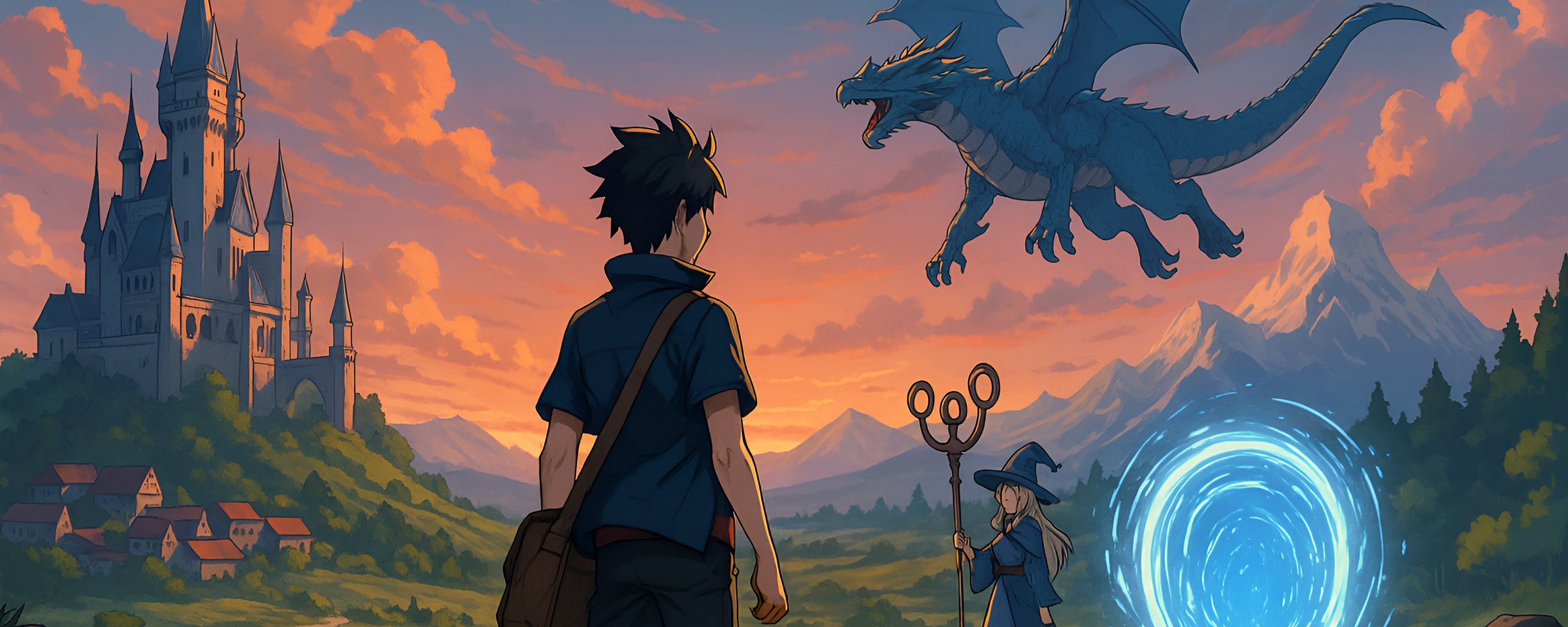
TL;DR: This article traces the rise of isekai anime from niche classics like Aura Battler Dunbine to genre-defining hits like Solo Leveling. It explores personal childhood connections, cultural impact, psychological resonance, market oversaturation, and modern innovation. While the genre faces creative fatigue, standout titles continue to offer fresh takes. Isekai remains a portal for both escapism and reflection, and its magic endures.
⏳ A Dive into the Past
My lifelong fascination with anime began in childhood, when I watched classics like Time Bokan, Mecha series, and sprawling Space Operas. These early shows transported me to incredible worlds filled with time travel, intergalactic adventures, and boundless possibilities. In a way, I was experiencing my own form of isekai as I journeyed into different realities through imagination, play, and dreams.
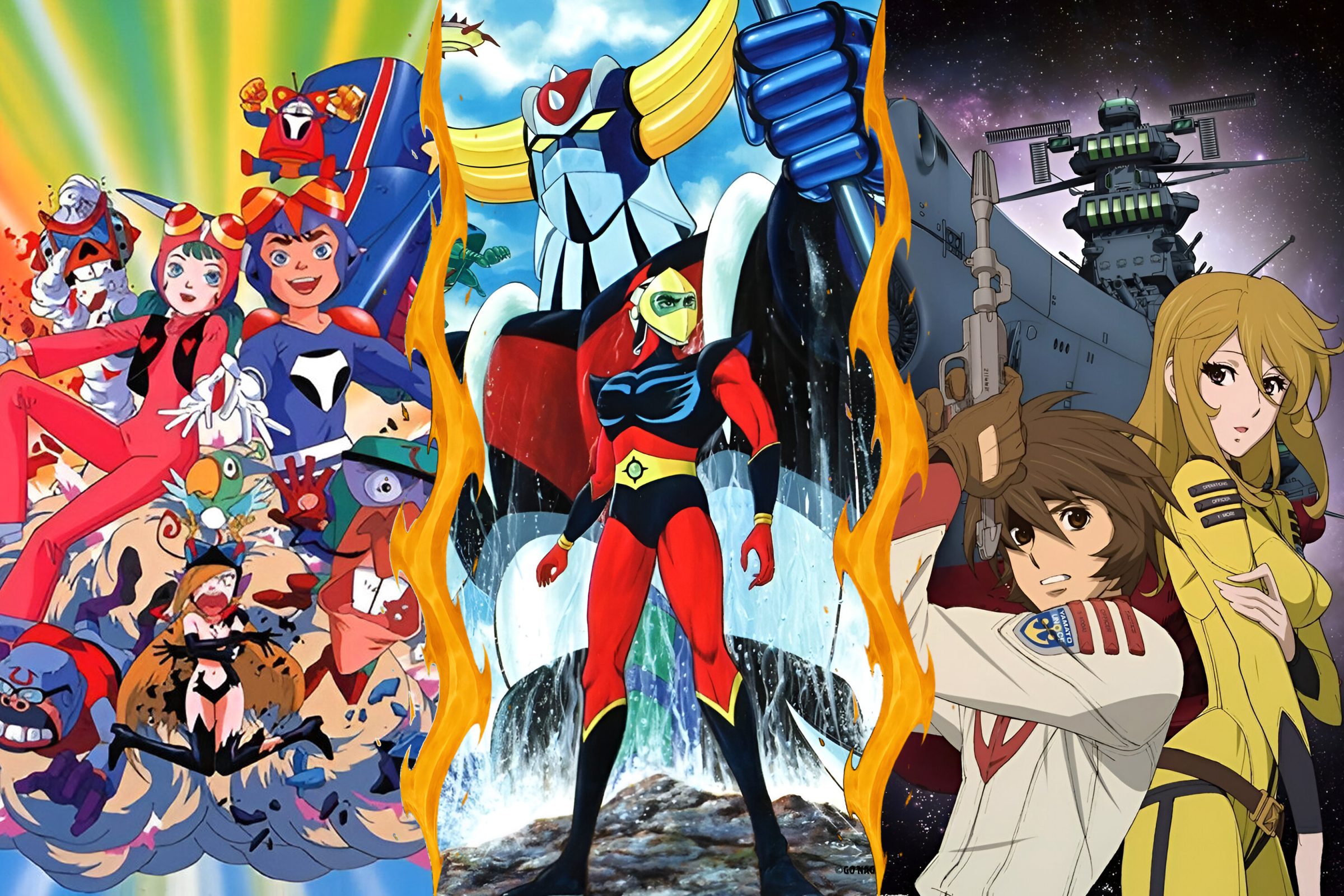
Every corner of our home became a staging ground for my creative projects, from homemade comic strips and short stories to elaborate dioramas crafted from cardboard, dismantled toys, and whatever else was available. Needless to say, my childhood adventures often tested my mother’s patience, as I immersed myself for hours in these imagined realms. Why couldn’t I grab a ball and go out to play with other children?
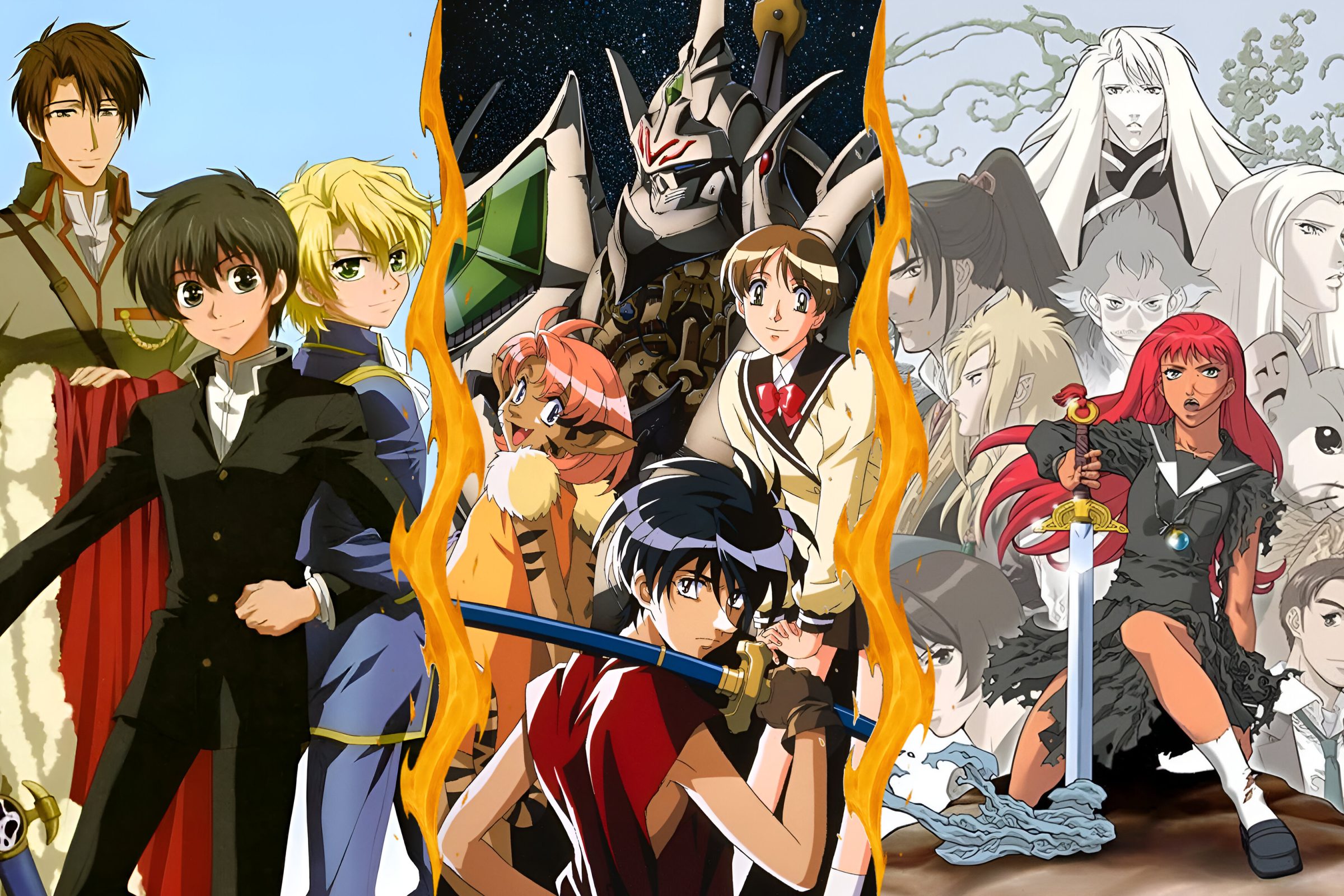
To discover Isekai, I had to wait for decades, as my anime exposure was limited to Italian TV broadcasts and imported Manga Video. Then the Internet brought streaming, unleashing proper access to Japanese art. From Kyo Kara Maoh!, to The Vision of Escaflowne, The Twelve Kingdoms, the humorous antics of Those Who Hunt Elves, to the comedy of errors that was Familiar of Zero, and El-Hazard: The Magnificent World.
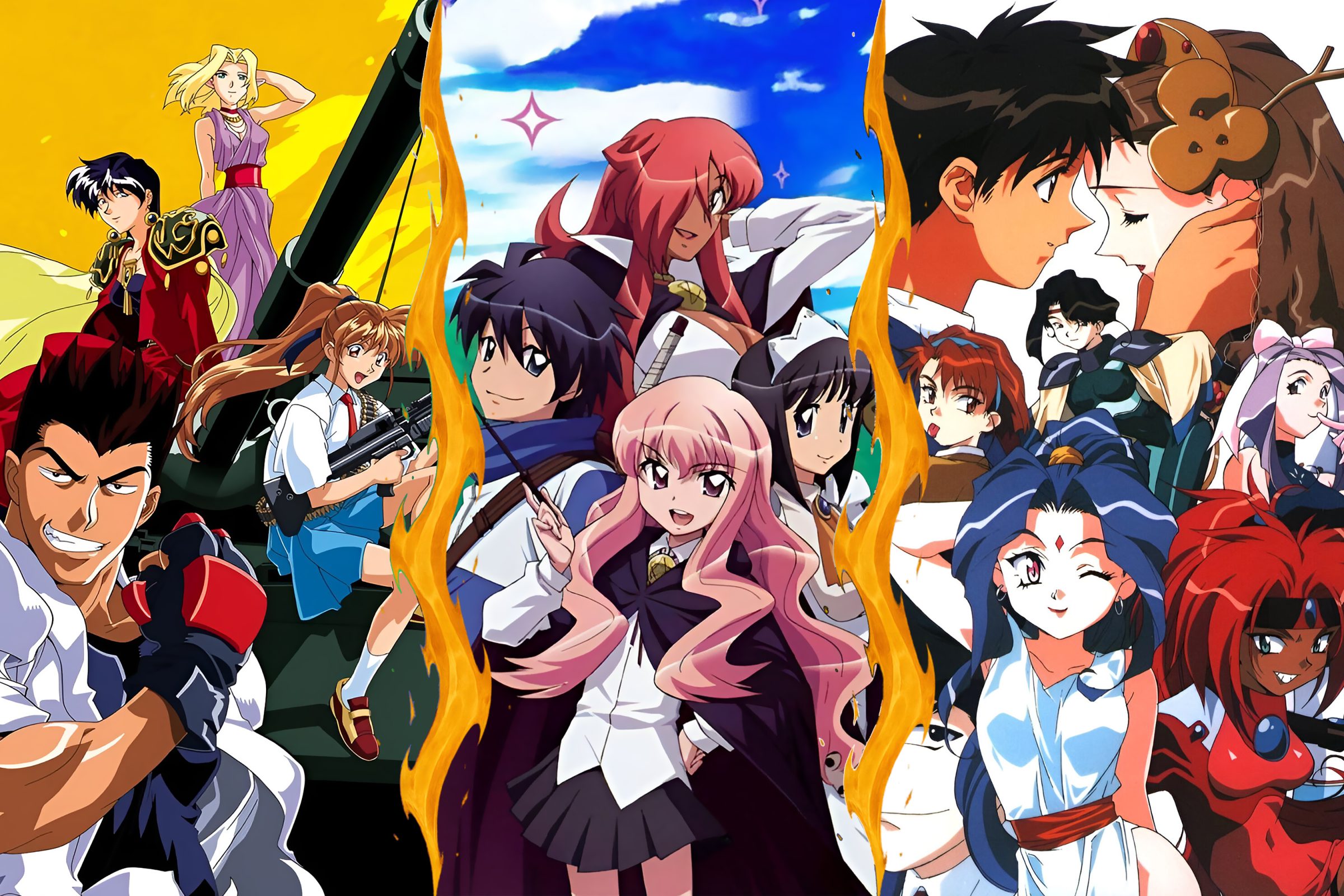
Isekai touched my soul like wildfire. This genre perfectly embodied what I’d subconsciously yearned for. An ordinary person thrust into a magical world filled with fantasy and adventure. It hit the little escapist in me like a charm, and I let go of this new Succubus. Back then, it was still a niche genre overlooked by mainstream audiences, so I may consider myself one of the first initiates of the European Isekai void army.
🦾 Milestones in Isekai History
The history of isekai anime dates back to the 1980s, with the earliest recorded example being Aura Battler Dunbine (1983), created by Yoshiyuki Tomino. The story follows Sho Zama, a young man from Tokyo, who is summoned, while riding his motorcycle, into the war-torn fantasy realm of Byston Well, setting the precedent for a gateway to another strange new world.
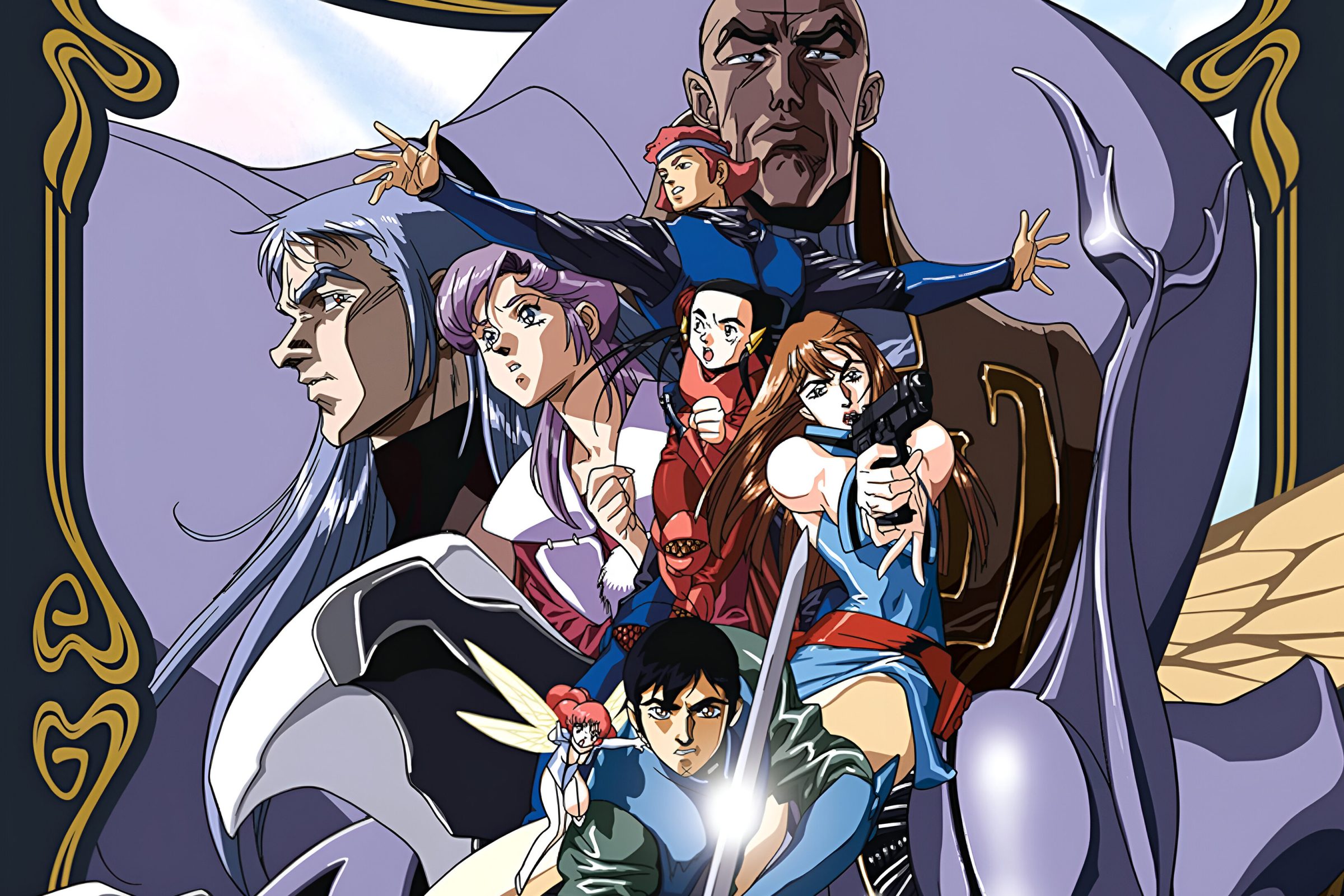
There, Sho is trained to pilot an organic mecha known as an Aura Battler. The series uniquely blends high fantasy with science fiction and mecha, a recipe followed more than a decade later by The Vision of Escaflowne (1996). Dunbine’s intentional summoning premise and darker, more mature themes laid the foundational groundwork for future isekai, especially those that combine military conflict and moral ambiguity in complex world-building.
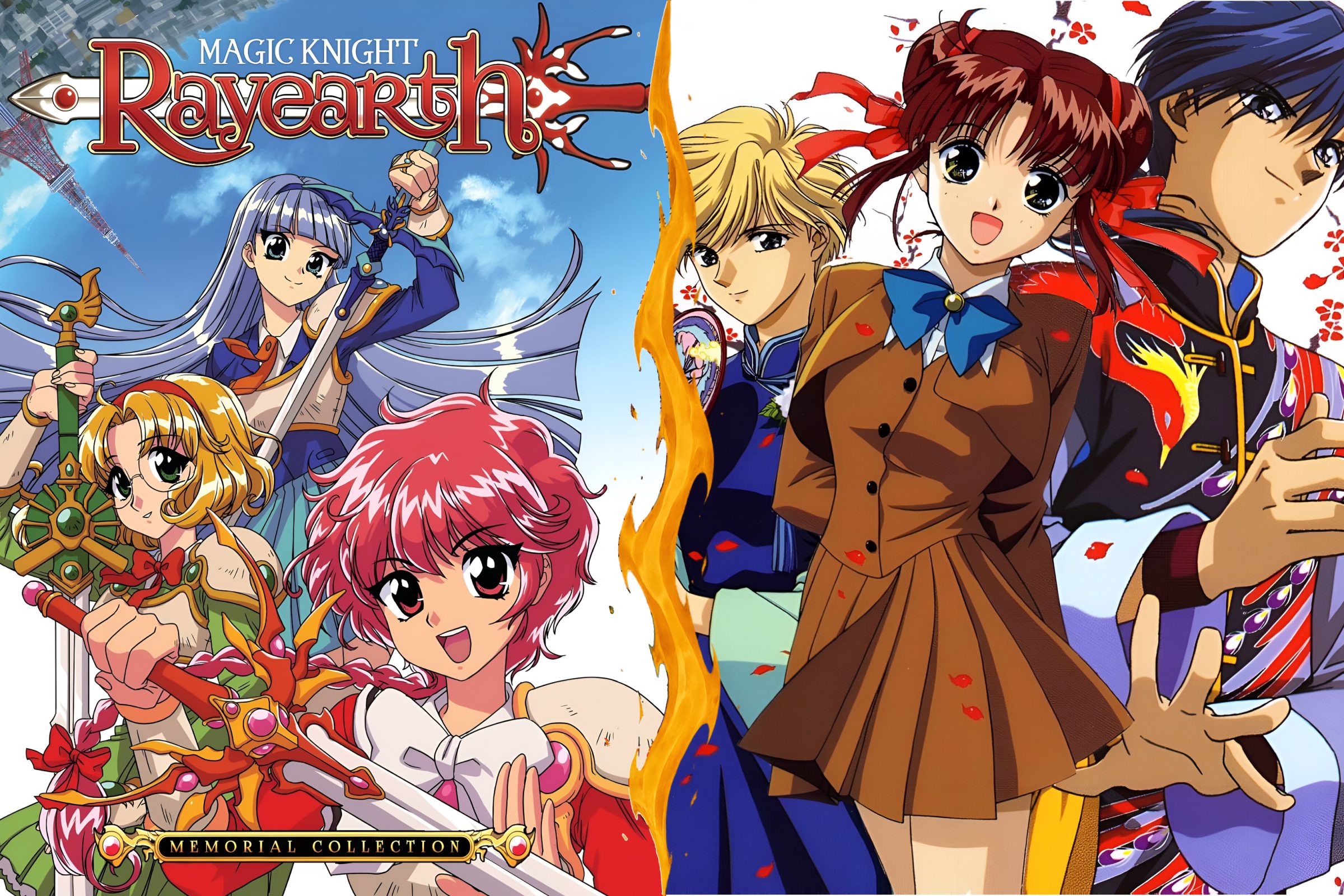
Throughout the 1990s, titles such as Magic Knight Rayearth (1994) and Fushigi Yûgi (1995) further refined the genre by combining magical girl elements with romance and more complex character arcs. The Vision of Escaflowne (1996) blended romantic fantasy with mecha, appealing to a diverse audience. Those Who Hunt Elves (1996) provided comedic relief while cleverly parodying familiar fantasy tropes in isekai.
💥 Isekai Boom: Niche to Dominant Force
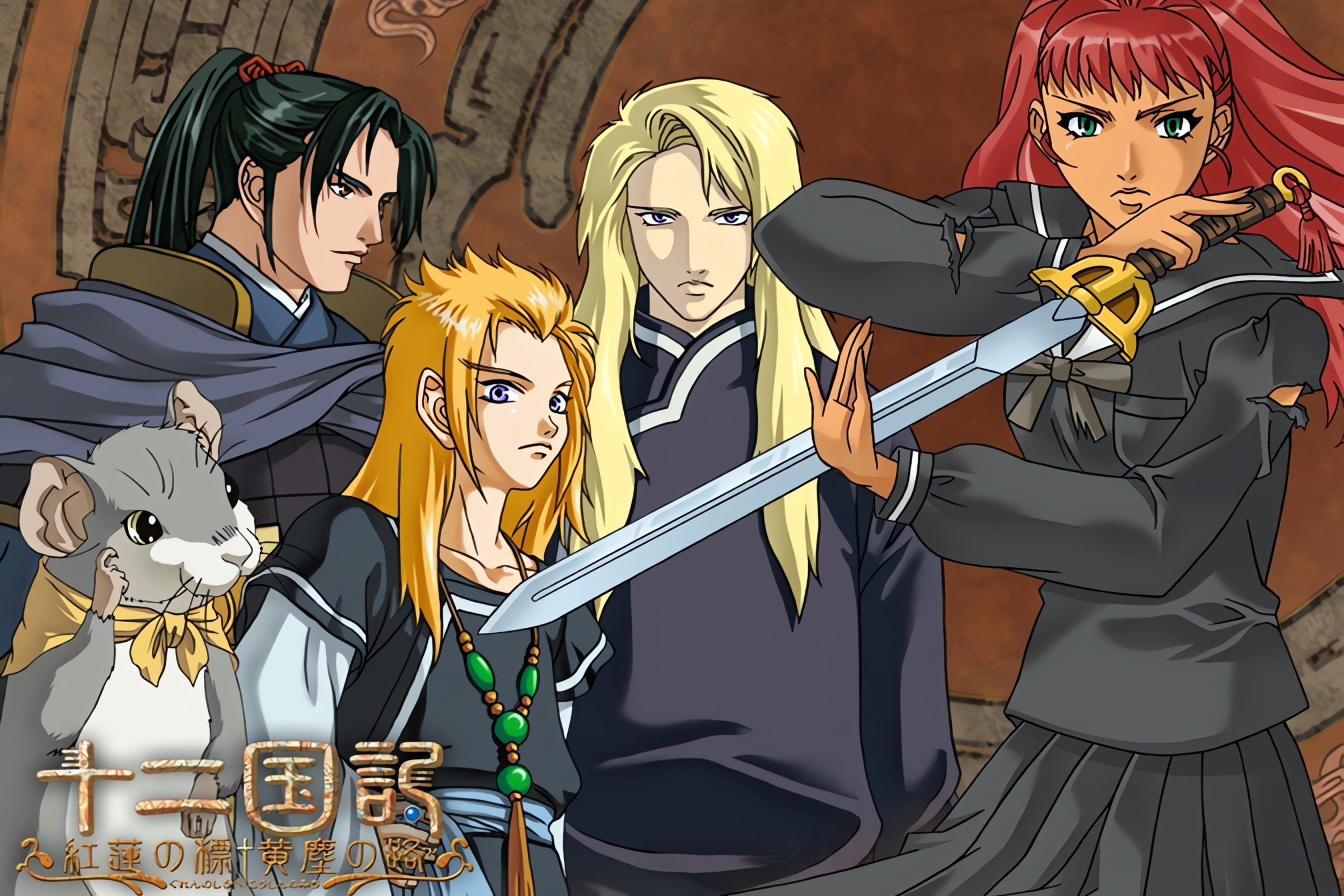
The early 2000s saw the rise of series like The Twelve Kingdoms (2002), based on the novels by Fuyumi Ono. Youko Nakajima, a high school student, is suddenly transported to a mystical, ancient fantasy world. Facing betrayal and danger, she undergoes intense personal growth to become a ruler. The series is renowned for its deep worldbuilding, political intrigue, and a mature, character-driven approach to isekai storytelling.
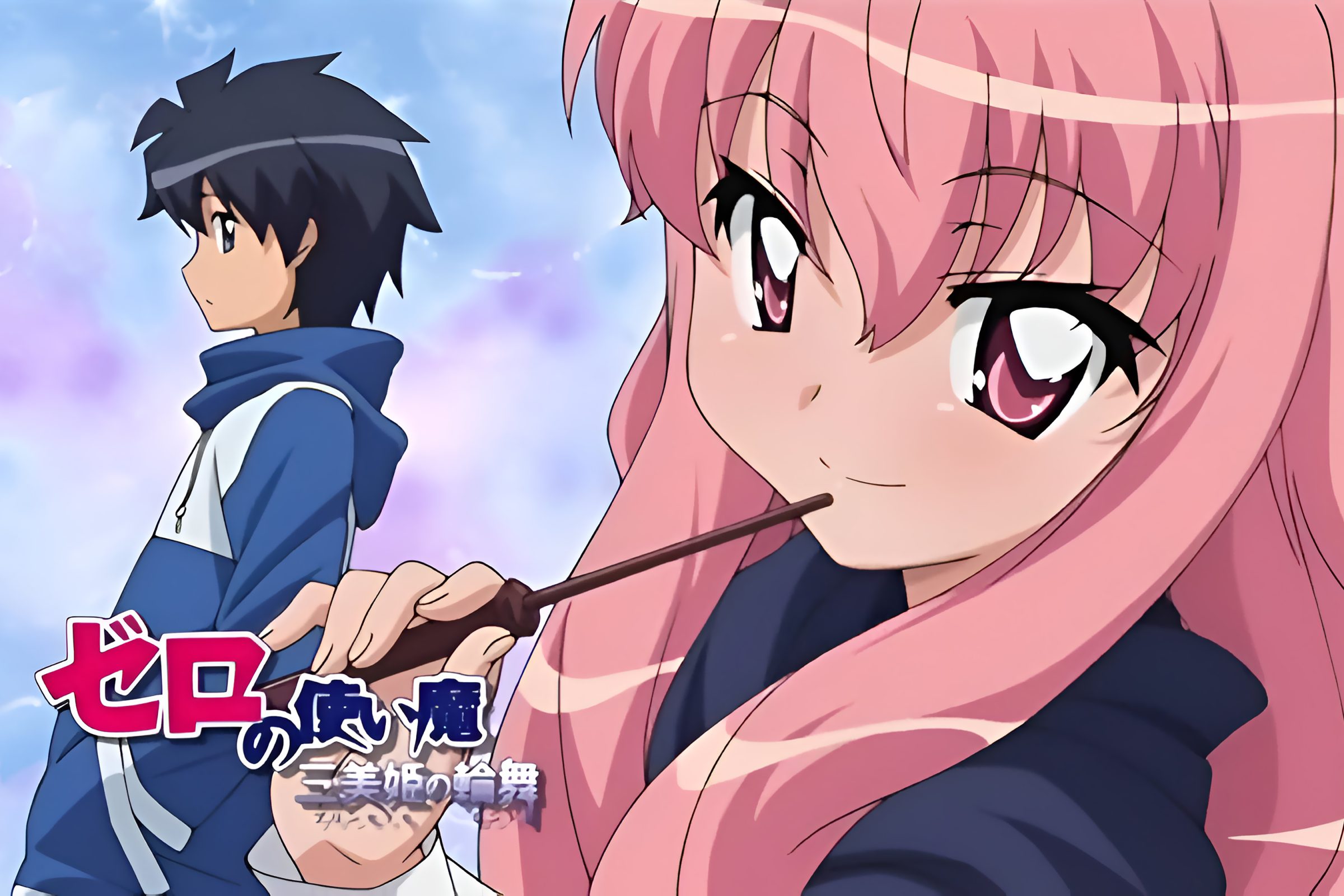
The Familiar of Zero (2006) is a foundational isekai based on Noboru Yamaguchi’s light novel series. It follows Saito Hiraga, an ordinary Japanese teen, who is summoned to a magical world by Louise, a tsundere mage at a magical academy. Initially mocked as her “familiar”, he grows into a skilled warrior. Blending romance, comedy, and action, the series sparked the modern isekai boom and heavily influenced later light novels and anime.
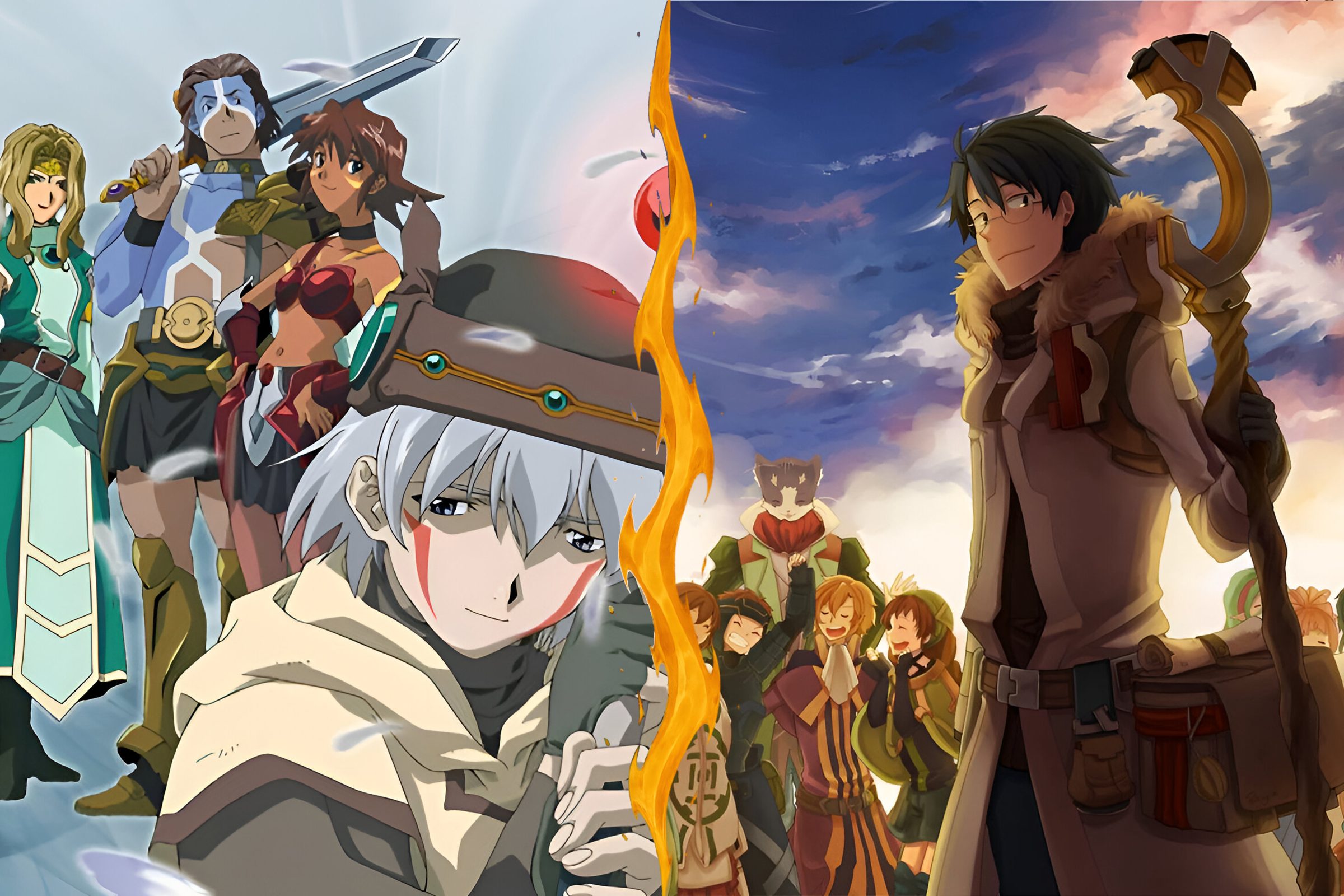
.hack//Sign (2002) is the foundational work that defined the trapped-in-MMORPG isekai narrative with a serious, psychological, and philosophical tone. Set within the MMORPG “The World”, it follows Tsukasa, a player who cannot log out and begins to question both reality and his identity. It paved the way for a massive wave of mainstream isekai starting with the breakthrough of Sword Art Online (2012) and Log Horizon (2013).
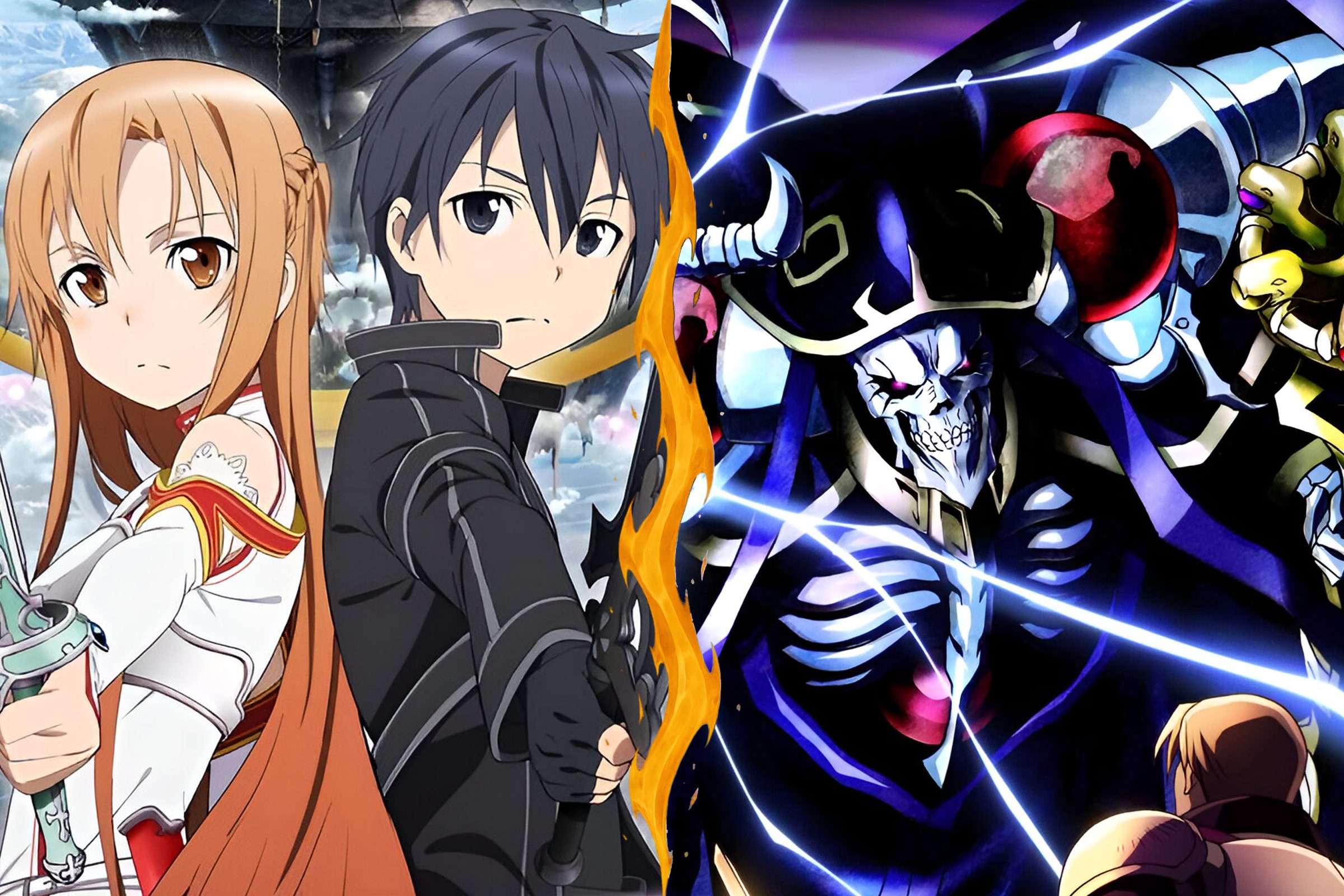
Sword Art Online (2012) is the iconic anime that brought the “trapped-in-a-game” isekai concept to global prominence. Log Horizon (2013) introduced themes of thoughtful governance and economic development. Titles like No Game No Life (2014) added high-stakes strategy and flamboyant worldbuilding. These series pushed the genre beyond standard hero tropes and embraced intellectual fantasy.
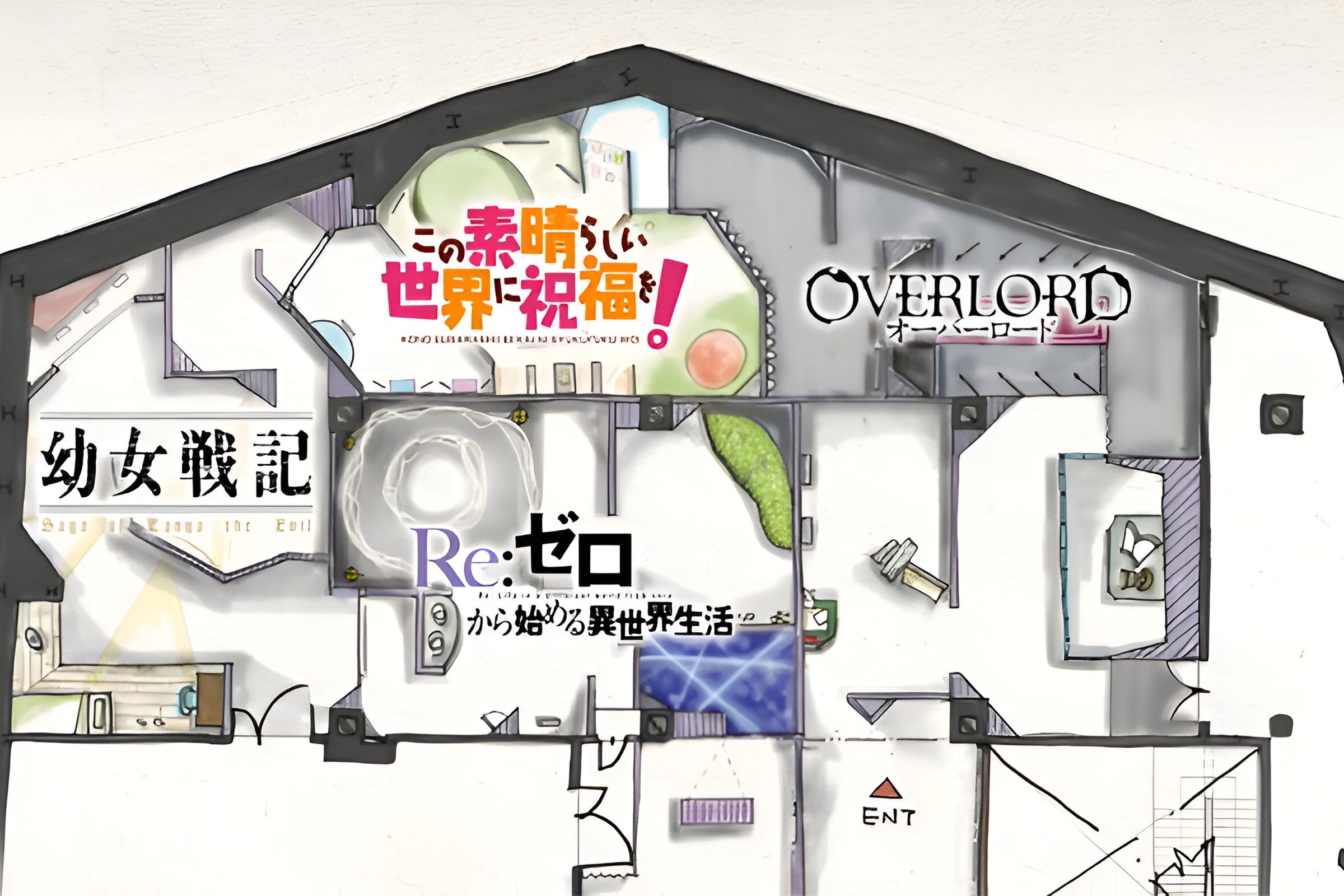
By the late 2010s, isekai became an anime powerhouse, growing exponentially in both popularity and output. Major hits like Re: Zero (2016) and Overlord (2015) showcased darker, more intense narratives, while comedic subversions like KonoSuba (2016) brought diversified storytelling. These series proved that isekai could handle everything from dark psychological drama to satire and self-parody.
🏛️ Cultural Impact and Audience Influence
The cultural impact of isekai anime is profound, extending far beyond Japan. By the early 2020s, the isekai genre had dominated the charts, influenced industry trends, and inspired countless derivative works. Major publishers such as Kadokawa heavily invested in the genre, recognizing its commercial viability and global appeal. Isekai was no longer a trend; it had become an institution.
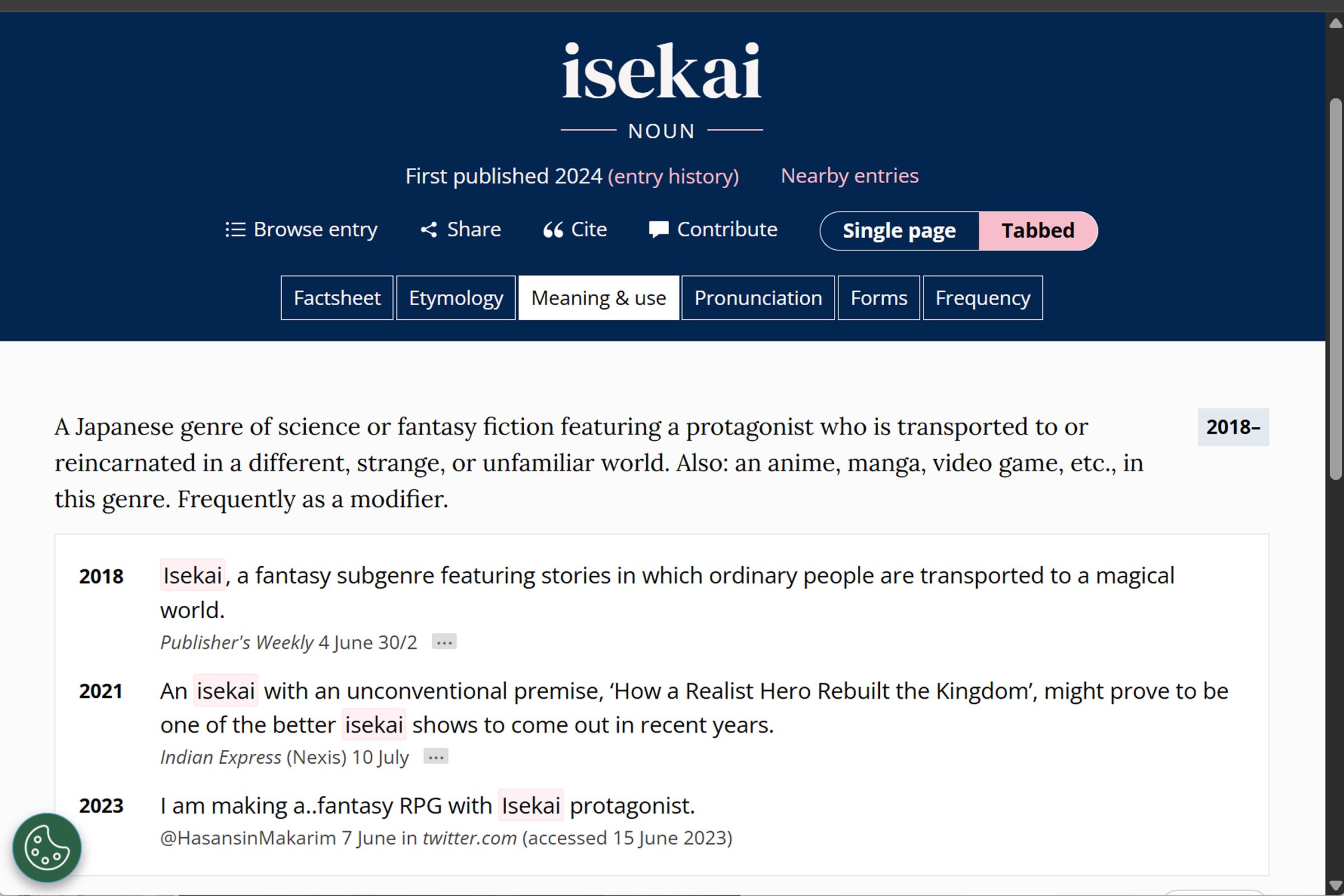
Perhaps one of the most telling signs of isekai’s cultural penetration is linguistic recognition. In March 2024, the English term “isekai” was added to the Oxford English Dictionary, defined as “a Japanese genre of science or fantasy fiction featuring a protagonist who is transported to or reincarnated in a different, strange, or unfamiliar world”. Isekai was no longer an obscure fan term but part of the global lexicon as a distinct genre.
This widespread appeal largely stems from the genre’s strong escapist elements. Isekai stories often feature ordinary individuals who are transported to fantastical worlds where they become influential, respected, or even worshipped. This transformation resonates deeply with audiences, particularly those who face societal pressures, feelings of isolation, or disillusionment with modern life.
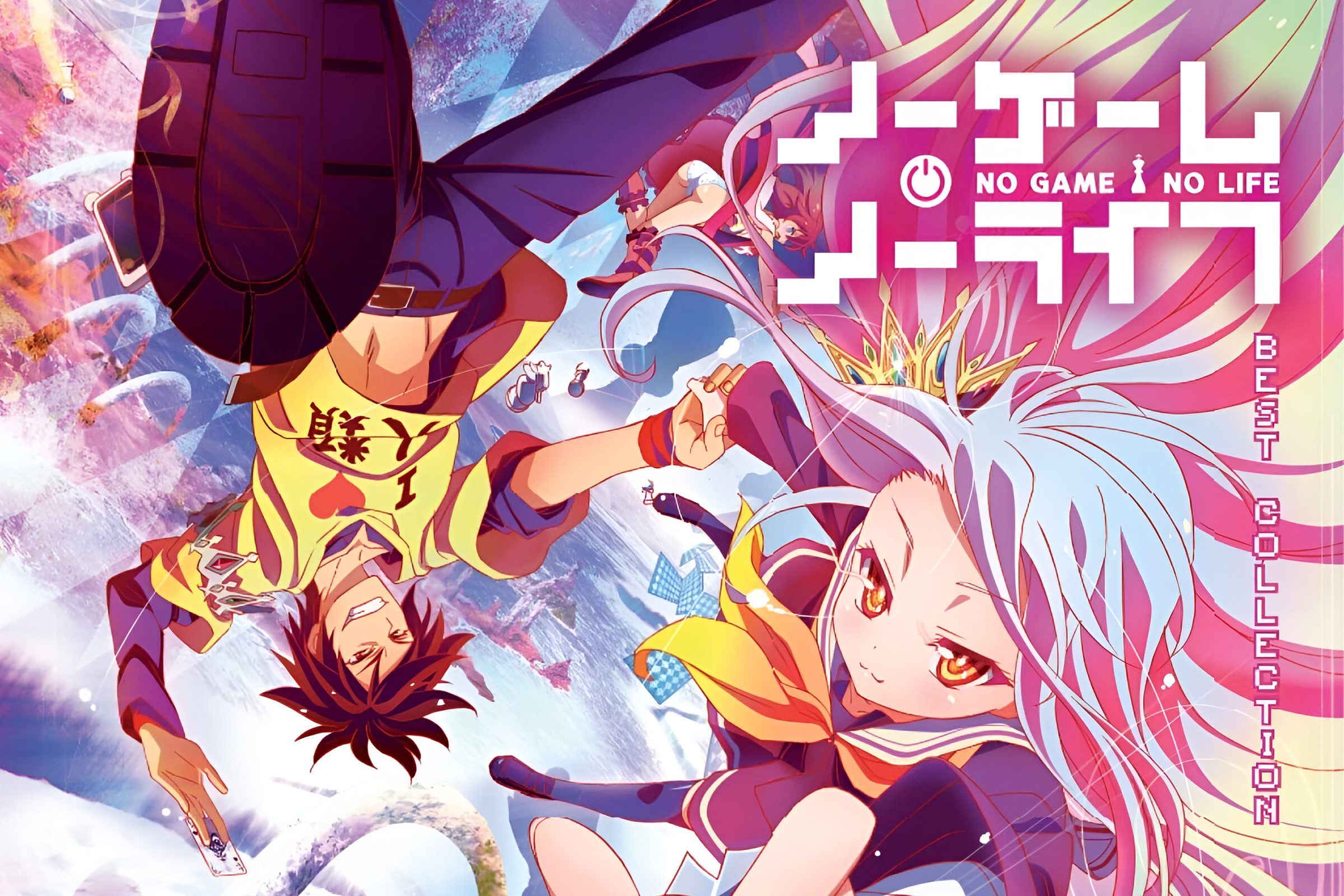
While isekai’s cultural impact is powerful and can offer healthy escapism, its psychological effects warrant critical awareness and moderation. Excessive indulgence may not just resonate with but exacerbate social issues. These stories often reward protagonists with power, admiration, and purpose without the struggle required in real life, potentially reinforcing avoidance behaviors seen in individuals with hikikomori or NEET syndrome.
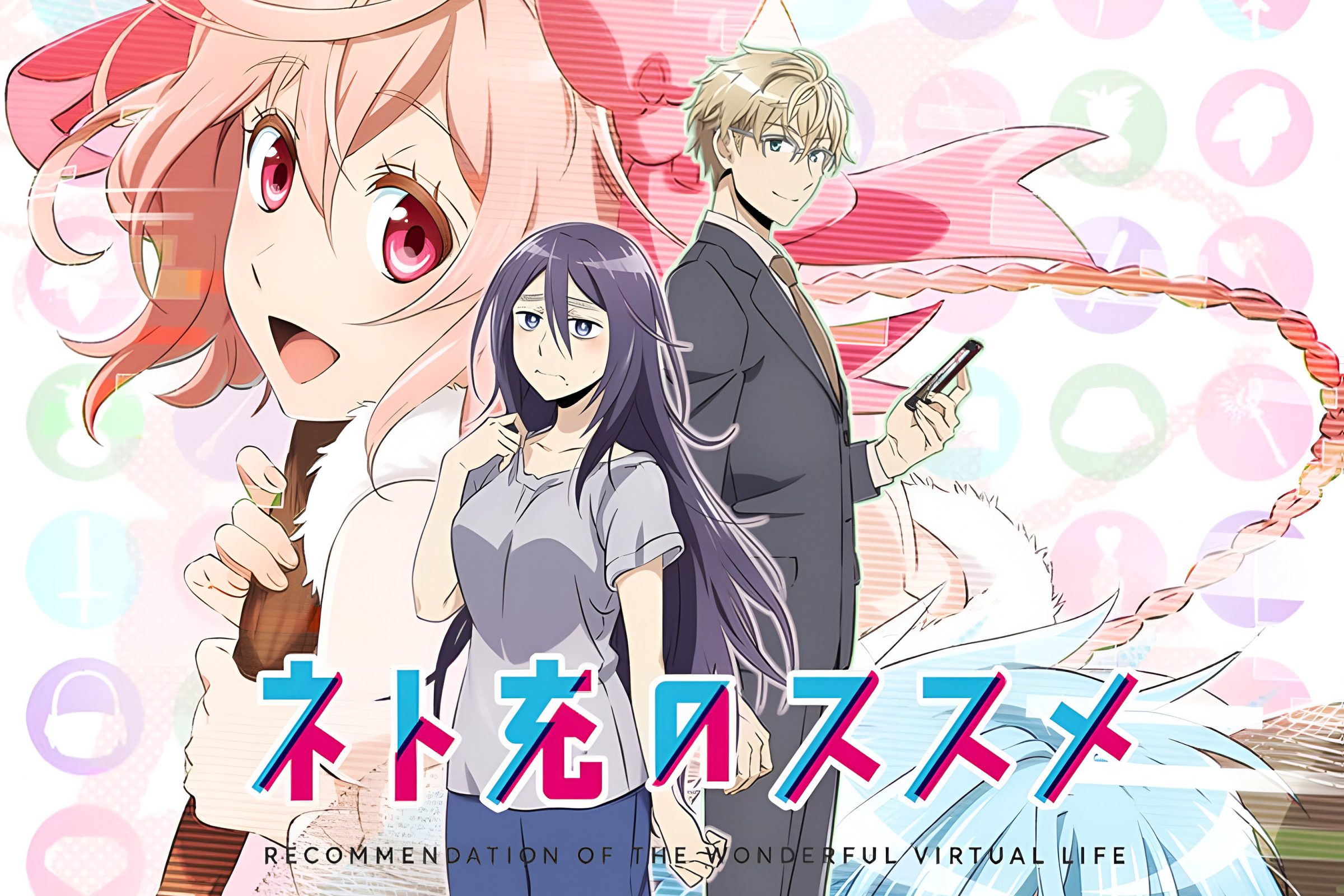
Scholars have noted that repeated exposure can distort expectations, leading to detachment from societal norms or to interpersonal growth. In Japan’s high-pressure, conformity-driven culture, isekai often serves as a psychological outlet, a place where individuality and uniqueness are finally validated. However, consumed excessively, it risks becoming a substitute for real-world effort and development, rather than a temporary release.
🤯 Isekai Explosion: Market Oversaturation
Internationally, isekai helped propel anime’s global popularity. Flagship titles like Sword Art Online (2012) and Overlord (2015) brought countless newcomers into anime fandom. The universal fantasy of “starting a new life in a magical world” is easily grasped across cultures, which may be why isekai titles consistently trend on streaming platforms. Then, a new breed of Isekai ‘monsters’ started to surface.
Starting the revolution, GATE: Jieitai Kanochi nite, Kaku Tatakaeri (2015) blends military realism with fantasy isekai. When a portal opens in Tokyo, unleashing medieval invaders, Japan’s Self-Defense Force crosses into the other world. The series explores cultural clashes, geopolitical themes, nationalist debates, warfare, and contrasts modern firepower with swords and dragons, featuring an unconventional adult protagonist.
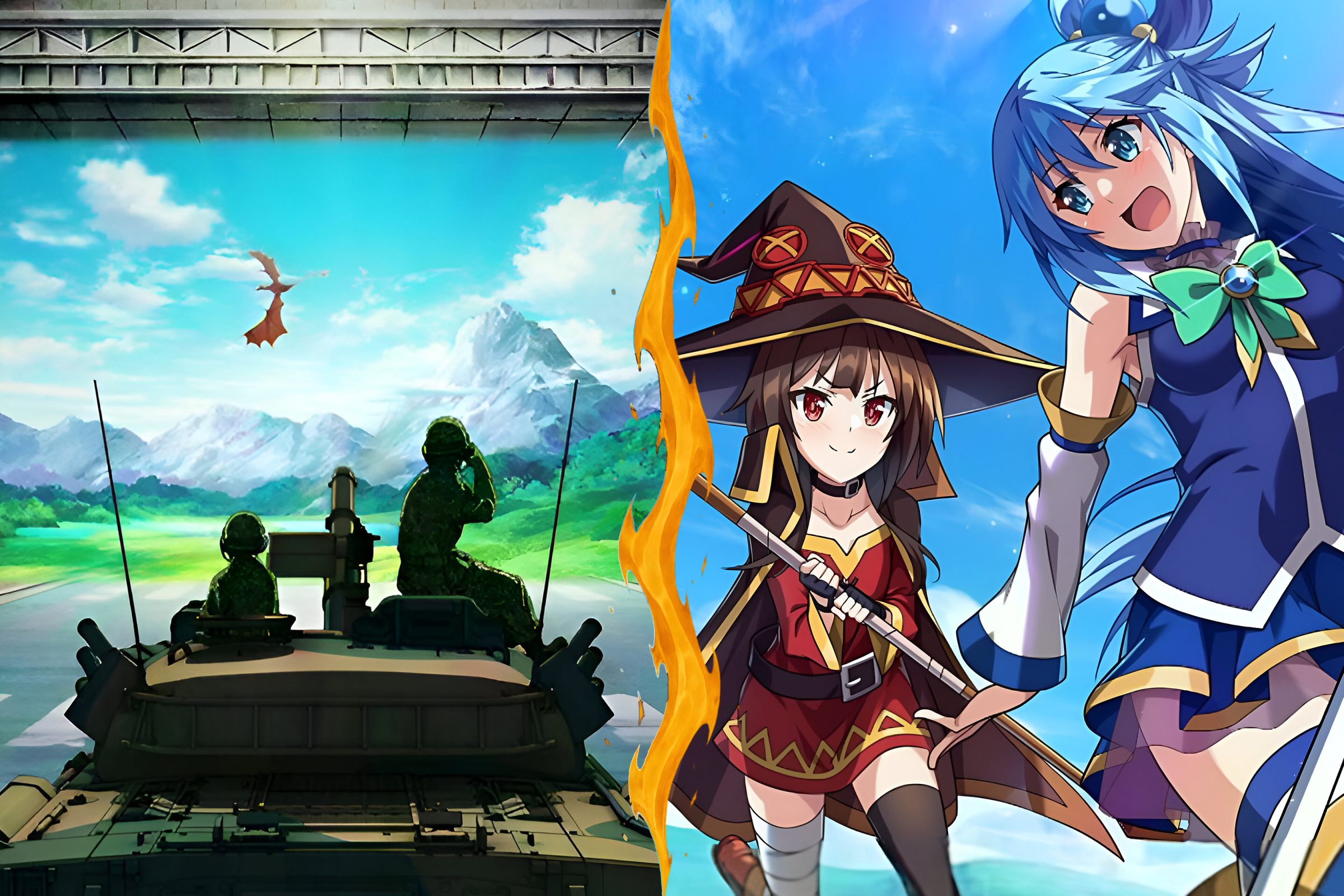
KonoSuba – God’s Blessing on This Wonderful World! (2016) is a beloved comedic isekai that parodies the genre’s tropes. After dying embarrassingly, Kazuma is reborn in a fantasy world with the useless goddess Aqua. Together with an eccentric party, they bumble through absurd misadventures. Its charm lies in subverting expectations with no overpowered heroes, just chaotic fun and endearing dysfunction.
Re: ZERO: Starting Life in Another World (2016) is a dark, emotionally intense isekai anime that follows Subaru Natsuki, a shut-in who finds himself in a fantasy world where he gains the power to rewind time upon death. Unlike traditional power fantasies, the series focuses on trauma, psychological breakdown, and moral struggle, making it a standout for its complex characters and brutal narrative resets.
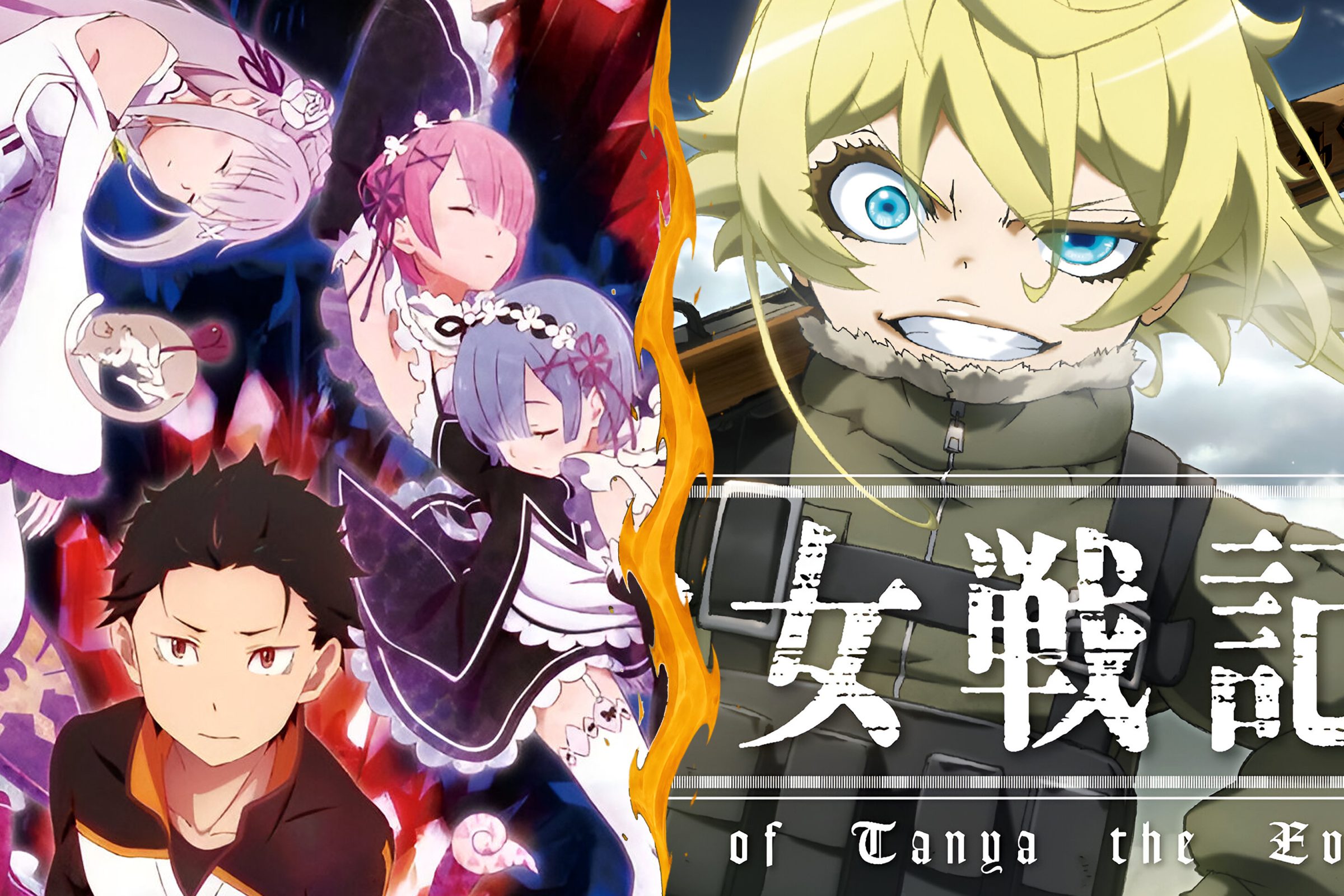
Saga of Tanya the Evil (2017) is a dark, militaristic isekai with a unique twist. A ruthless salaryman is reincarnated as a young girl, Tanya, in a war-torn alternate Europe by a vengeful god-like being. Armed with strategy, magic, and malice, Tanya climbs the military ranks. The series explores faith, nihilism, and authoritarianism through sharp satire and brutal battlefield action.
That Time I Got Reincarnated as a Slime (2018) is a feel-good isekai about Satoru Mikami, an ordinary office worker who’s reincarnated as a lowly slime in a fantasy world. Gaining unique powers, he evolves into the mighty Rimuru Tempest. The series seamlessly blends diplomacy, city-building, and combat with humor and heart, offering a refreshing and optimistic take on the genre.
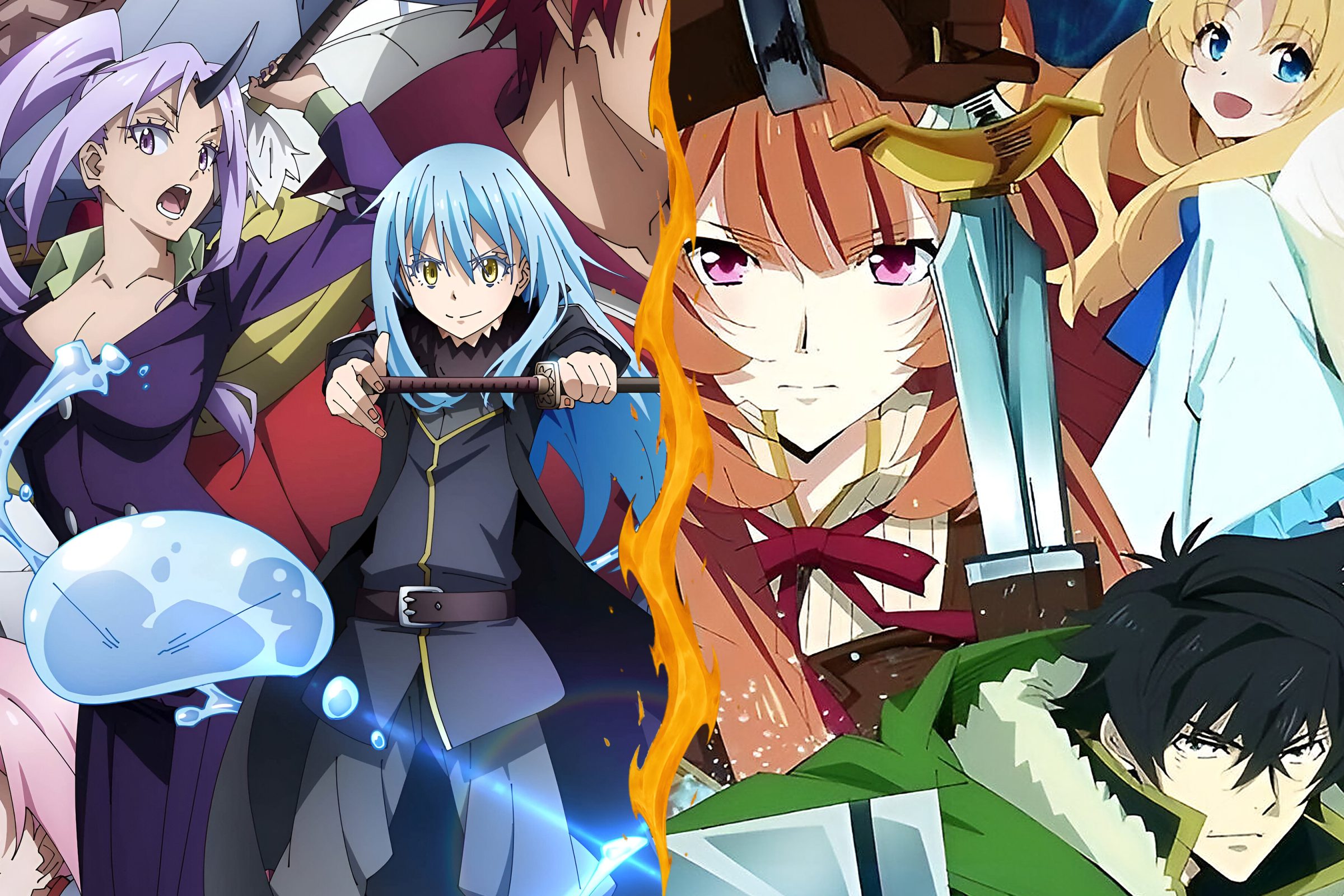
And last but not least, The Rising of the Shield Hero (2019) follows Naofumi Iwatani, an ordinary man summoned to a fantasy world as one of four legendary heroes. Betrayed and falsely accused, he becomes an outcast and must rise from disgrace using only a shield. The series explores themes of trust, resilience, and redemption, delivering a darker, emotionally charged isekai narrative.
These ‘monsters’ triggered a flurry of cookie-cutter isekai novels, eventually oversaturating the market. By the 2020s, a minor backlash had formed in Japan. Was isekai creatively stagnant wish-fulfillment, or a meaningful outlet for imagination? This debate had a significant cultural impact. Memes like “Truck-kun”, the infamous plot device in which protagonists are hit by a truck to trigger reincarnation, mocked the genre’s predictability.
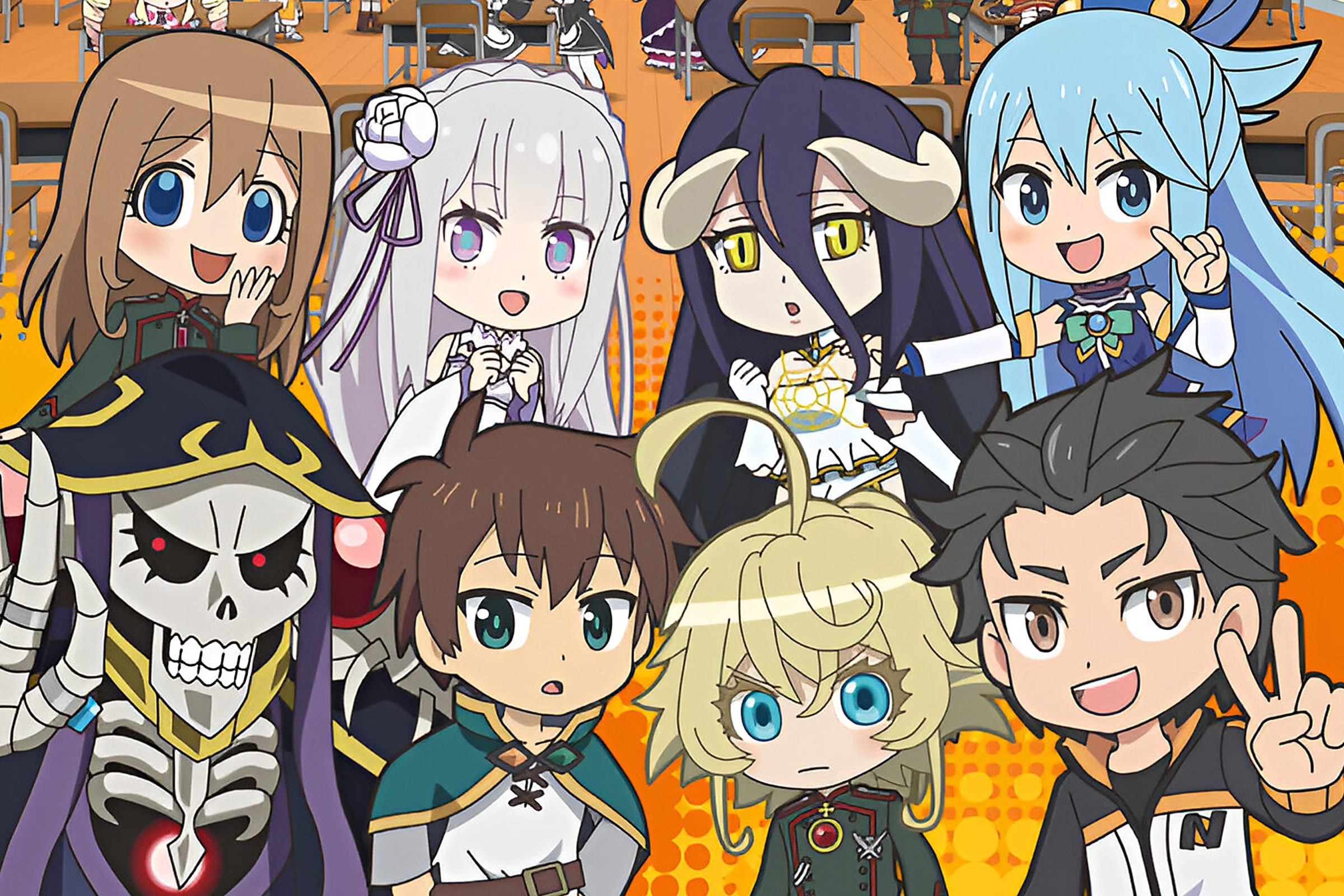
Light novel contests explicitly banned isekai submissions to encourage originality, showing industry awareness that the boom had perhaps gone too far. Yet, despite critiques, the audience’s appetite remains robust. Isekai Quartet (2019) cemented the genre’s self-aware phase. This chibi crossover comedy united the ‘monsters’ in a parody of a high school setting, showing just how culturally embedded the genre had become.
Meanwhile, countries like China developed their own isekai-adjacent genres (e.g., chuānyuè), and Western writers dove into LitRPG and portal fantasy, clearly inspired by Japanese works. Platforms like Shōsetsuka ni Narō played a pivotal role in the genre’s rise, enabling amateur authors to engage directly with readers. This allowed audiences to directly influence storytelling, creating a dynamic loop between supply and demand.
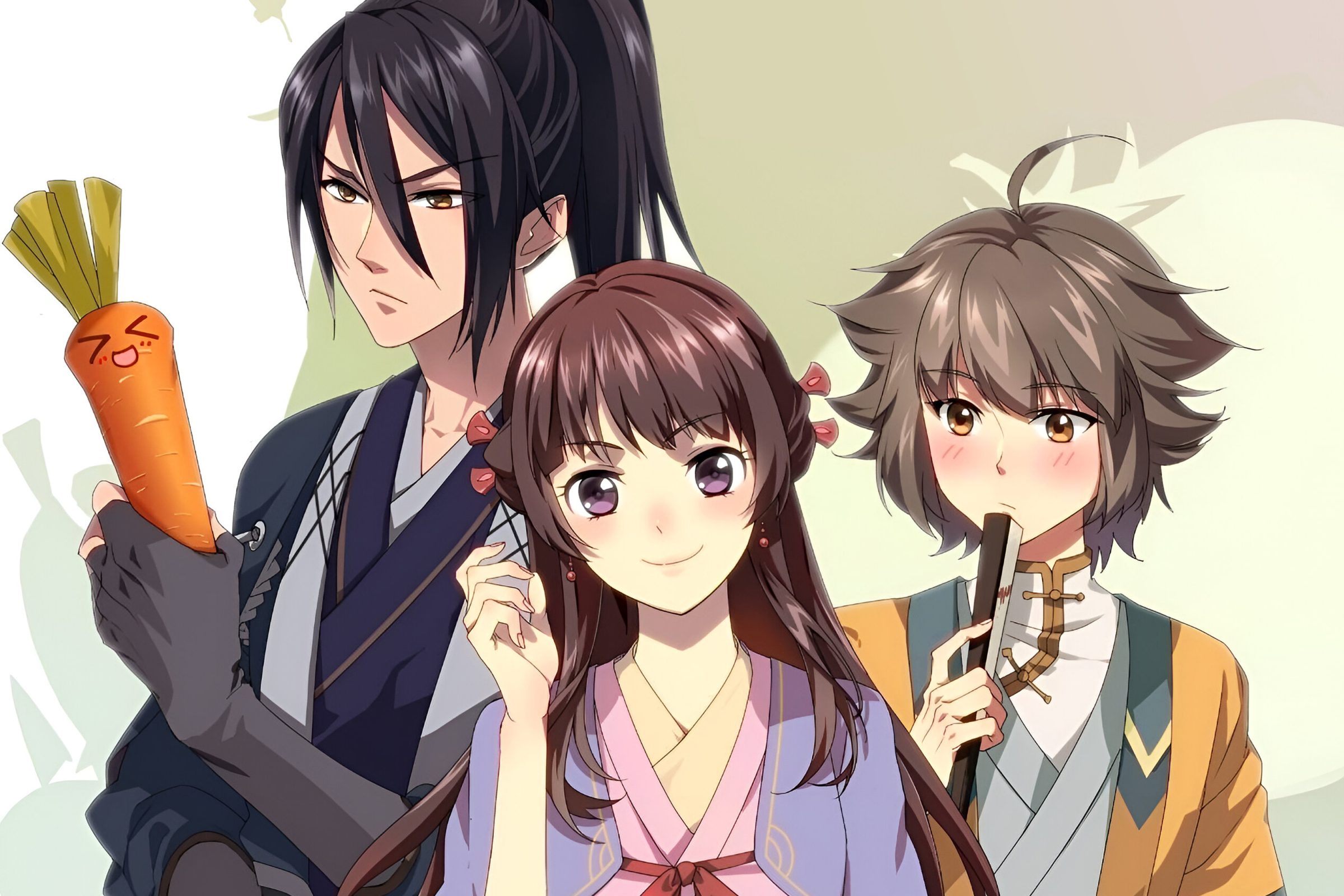
Fans celebrate series that offer a twist on the formula, suggesting a desire for innovation even as they enjoy familiar comforts. The culture surrounding isekai, including memes, crossovers, and discussions of tropes, has become a vibrant part of the anime fandom. And as long as the desire to escape to a fantastical realm endures, isekai stories will likely continue to adapt and thrive.
👿 Demons Rise: Market Supersaturation
By the early 2020s, isekai anime surged with ever-stranger reincarnations and edgier protagonists. From slime to sword, spider to shadow broker, the genre went beyond peak saturation. Meanwhile, the otome-inspired villainess isekai offered romantic and comedic counterpoints. This era showcased both wild creativity and growing fatigue, as isekai clones of these new isekai ‘demons’ flooded an already oversupplied market.
Amongst the new ‘demons’ we have Tsukimichi: Moonlit Fantasy (2021), which follows Makoto Misumi, an ordinary teen summoned to a fantasy world, only to be rejected by its goddess for being “ugly.” Cast aside, he’s granted immense powers and builds his society with monsters and demi-humans. The series flips standard isekai tropes, offering sharp social commentary beneath its humor and overpowered antics.
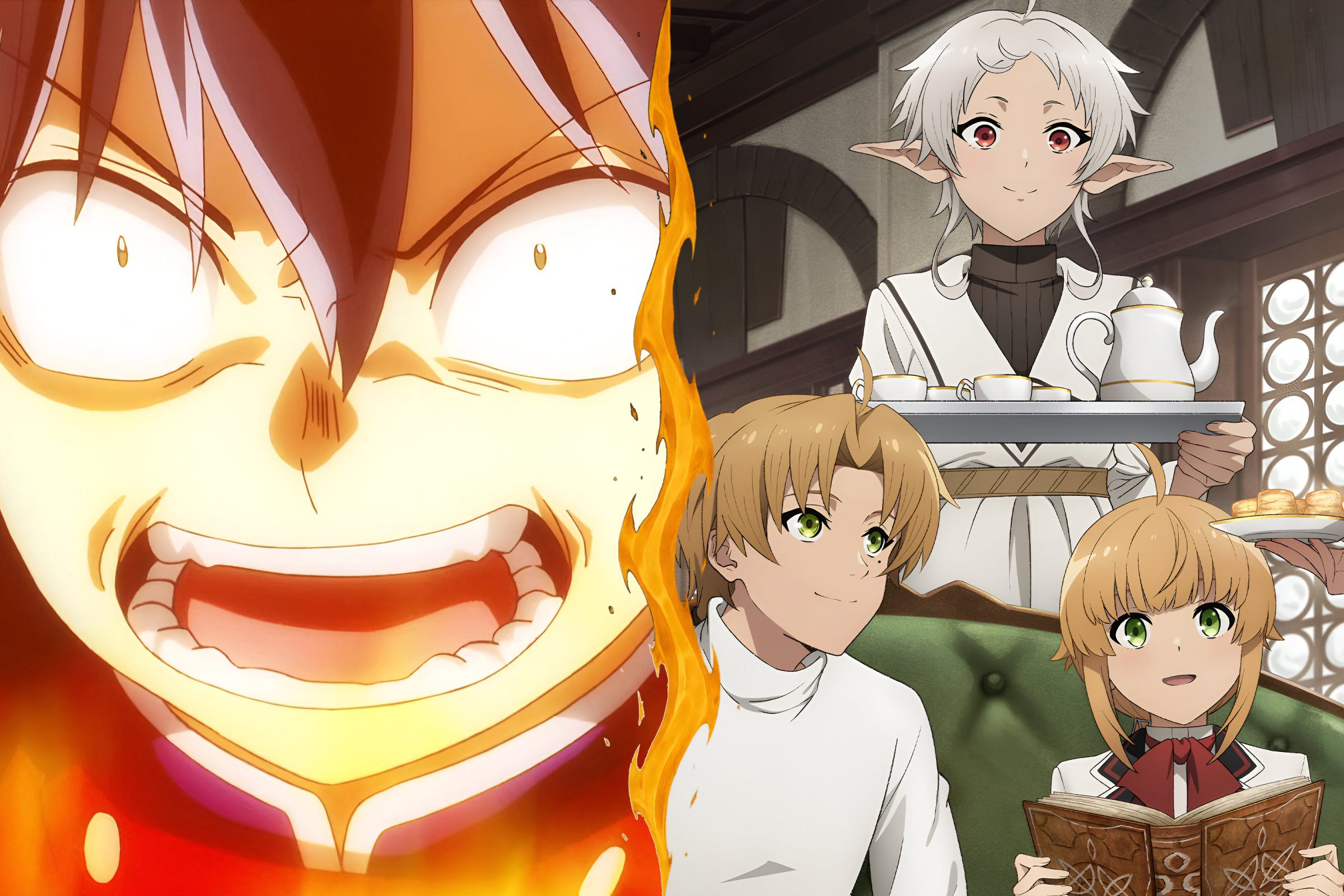
Mushoku Tensei: Jobless Reincarnation (2021) is a landmark isekai anime that helped elevate the genre’s narrative and visual quality. It follows a reclusive, regretful man reincarnated in a magical world as Rudeus Greyrat. Determined to live without regrets, Rudeus embarks on a life of magic, growth, and redemption. The series stands out for its world-building, emotional depth, and high production values.
So I’m a Spider, So What? (2021) delivers a quirky survival tale with a dual narrative. An enormous space-time spell misfired and hit a Japanese high school class, killing everyone in it. A girl reincarnates as a spider in a deadly dungeon, relying on wit and evolving skills to survive. Meanwhile, her classmates live privileged lives in the same world. It blends comedy, game mechanics, and surprising plot twists into an unconventional isekai.
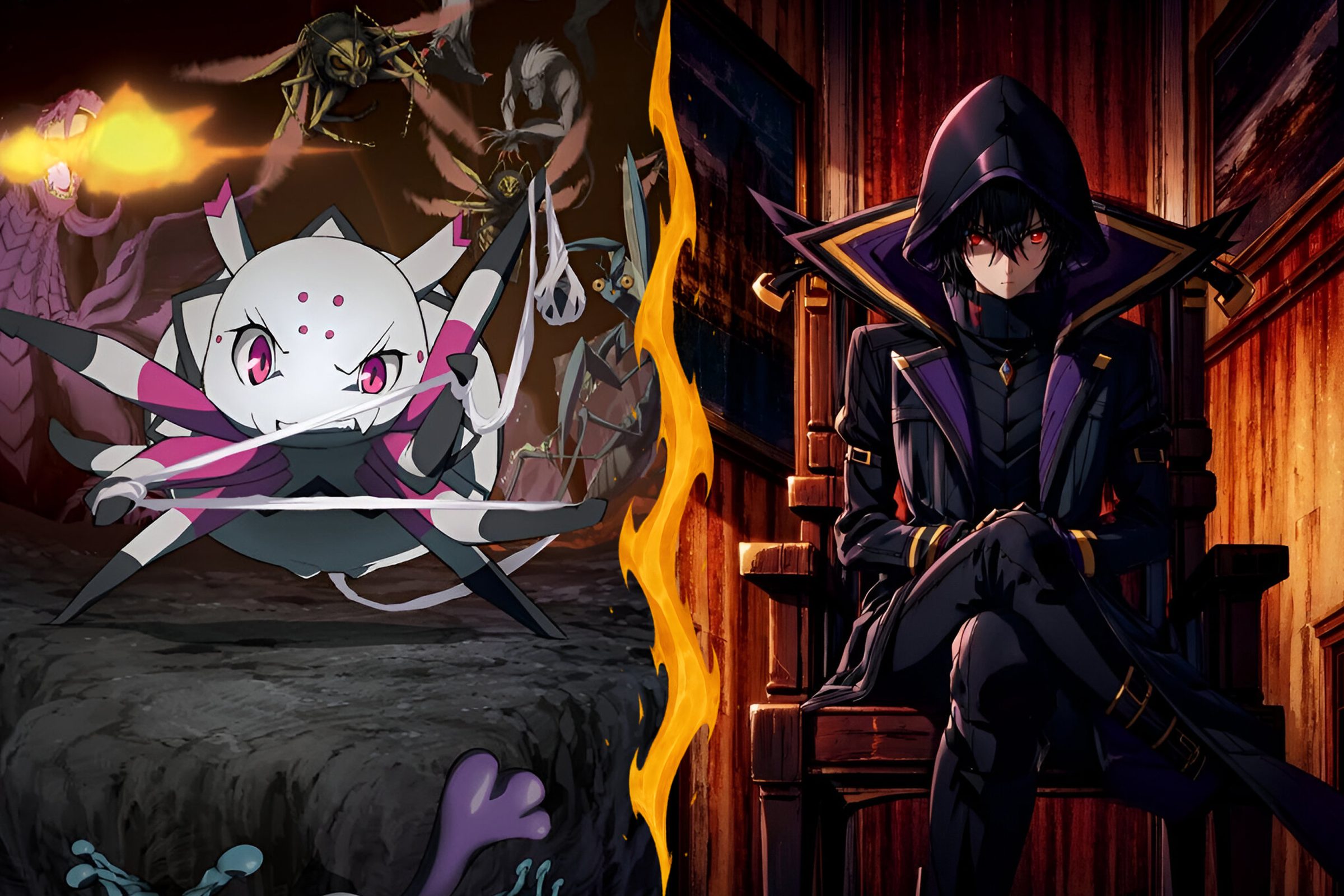
The Eminence in Shadow (2022) is a satirical isekai that embraces and mocks chuuni (delusional grandeur) tropes. Reborn in a fantasy world, the protagonist, Cid Kagenou, pretends to be a shadowy mastermind fighting a fake evil cult, only to discover the cult actually exists. Together with his Shadow Garden beauties, he brings the cult down. Stylish, absurd, and self-aware, it’s a love letter to over-the-top secret organization fantasies.
My Next Life as a Villainess: All Routes Lead to Doom! (2020) launched the “villainess isekai” trend with wit and heart. Katarina Claes is reborn inside her favorite otome game, not as the heroine, but as the rival destined for ruin. Armed with future knowledge, she scrambles to avoid her tragic fate, charming everyone unintentionally and forming a chaotic reverse harem in the process.
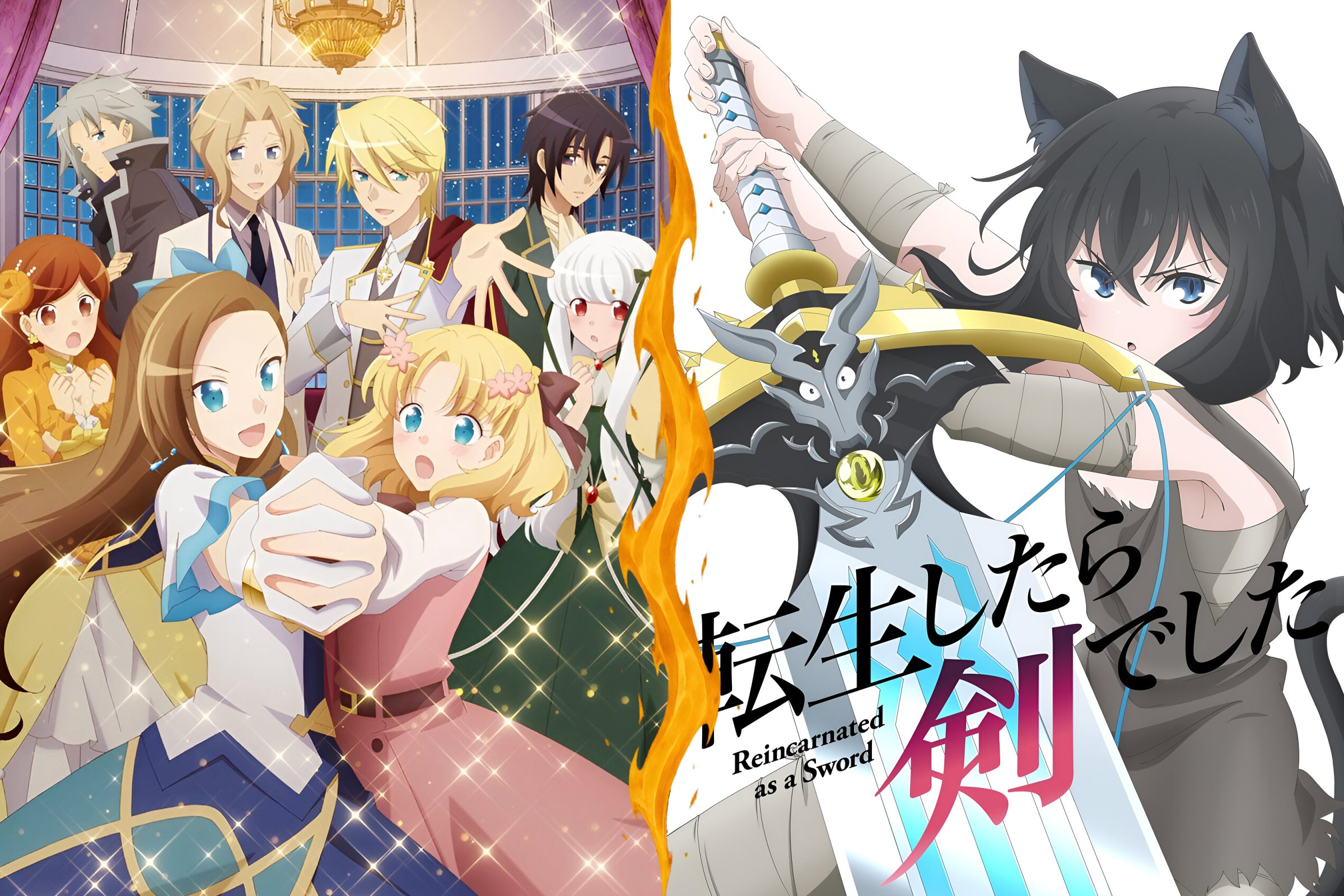
Reincarnated as a Sword (2022) offers a unique twist on the isekai formula: its protagonist is reborn not as a person but as a sentient, talking, telekinetic sword. Teaming up with a young enslaved catgirl named Fran, he becomes her mentor, protector, and weapon. Together, they battle monsters, run dungeons, climb guild ranks, and pursue strength, freedom, and emotional healing.
Despite their imaginative premises, many of these post-2020 titles revealed a new challenge: innovation itself had become a formula. Reincarnation gimmicks grew wilder, protagonists edgier, but the structural core often remained unchanged. Even villainess isekai, once a refreshing twist, began repeating its patterns. Still, scattered among the imitators, these standout ‘Demons’ proved there was still room for magic.
📈 Modern Trends and Fatigue
Currently, the isekai genre is more prolific than ever, with over 30 new series released annually, representing around 15% of all new anime content. Despite this massive growth, recent years have seen noticeable stagnation. Many new series fall into repetitive cycles, endless reincarnations with overpowered protagonists, predictable otome game narratives, and clichéd villain scenarios.
Genuine innovation feels rare, replaced by formulaic plots and cookie-cutter characters. Yet, even amidst this oversaturation, standout series continue to emerge. Recent successes like The Wrong Way to Use Healing Magic (2023), The Weakest Tamer Began a Journey to Pick Up Trash (2024), and quirky offerings such as Campfire Cooking in Another World with My Absurd Skill (2023) suggest there’s still room for originality.
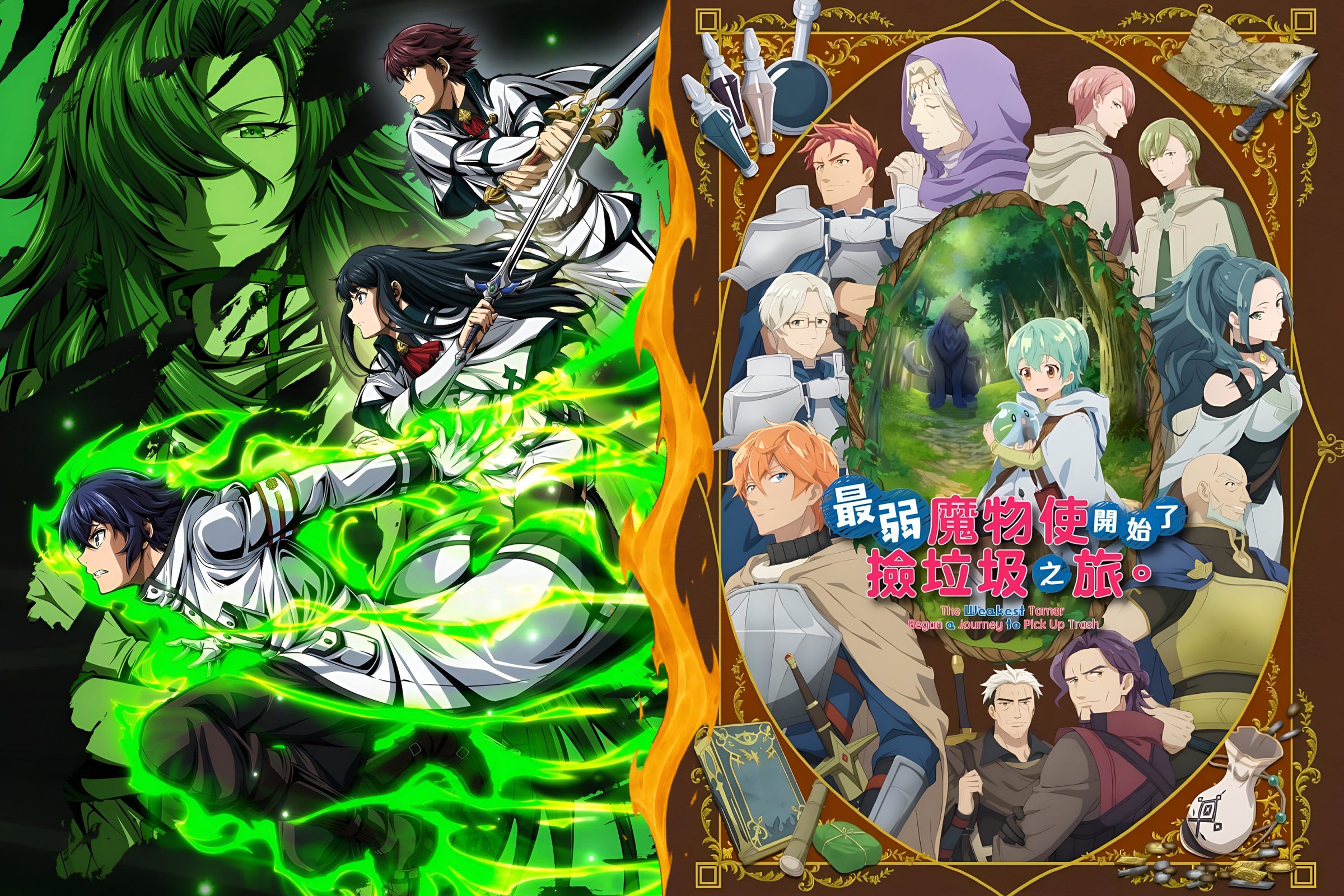
The Wrong Way to Use Healing Magic (2023) flips the typical healer trope on its head. Summoned to a fantasy world alongside two classmates, Ken Usato is discovered to have rare healing abilities. But instead of a gentle role, he is drafted into a brutal rescue team that trains him through combat and endurance. It’s an underdog story with grit, growth, and surprising heart, all in a good comedy.
The Weakest Tamer Began a Journey to Pick Up Trash (2024) offers a gentle, low-stakes take on the isekai-fantasy formula. Ivy, born with the weakest skill and abandoned by society, befriends a discarded slime and survives by scavenging trash. Her quiet resilience and kindness slowly change the world around her. It’s a story of healing, companionship, and finding strength in unexpected places.
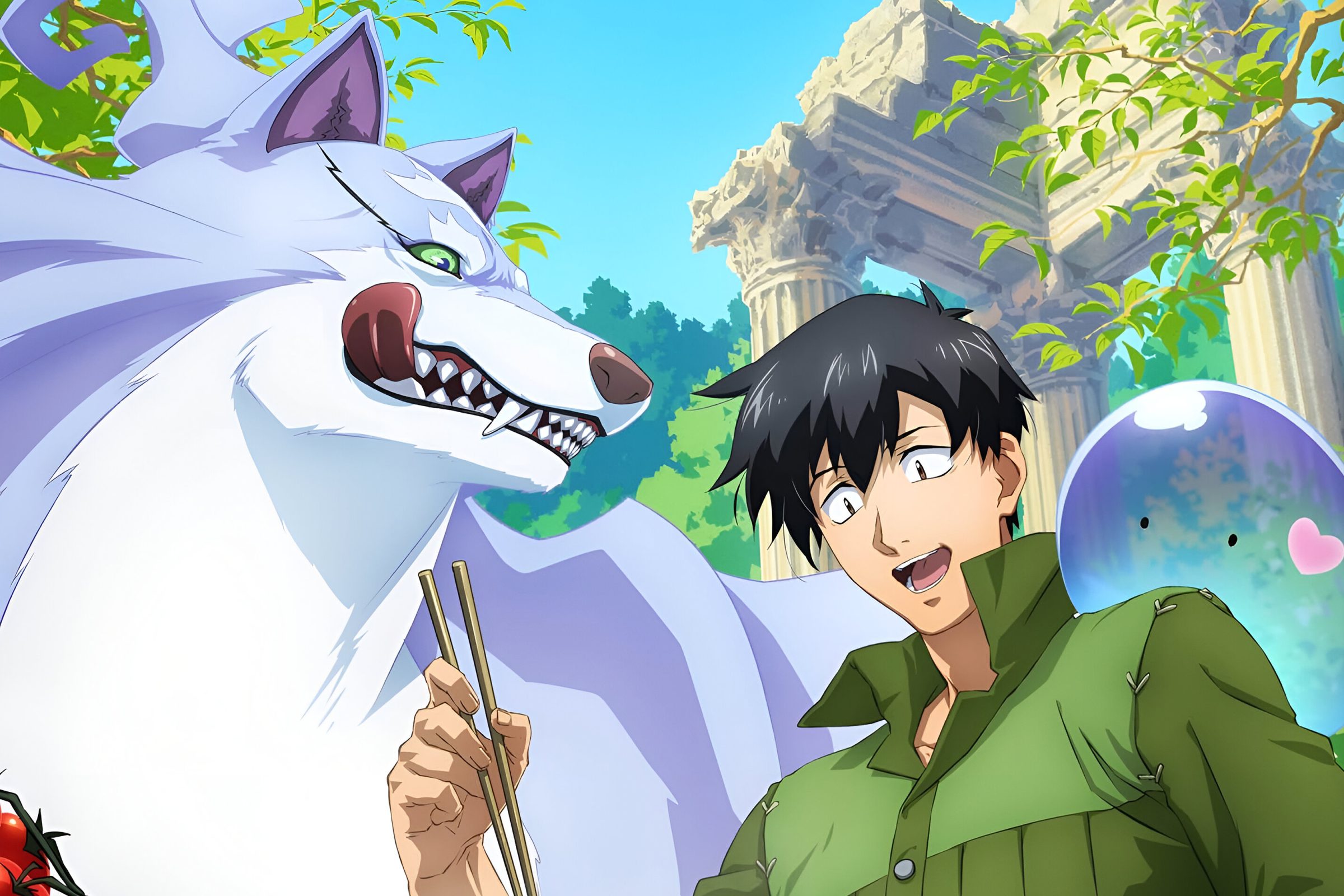
Campfire Cooking in Another World with My Absurd Skill (2023) serves up a cozy, food-centric twist on isekai. Tsuyoshi Mukouda, an ordinary guy summoned to a fantasy world, discovers that his unique power allows him to access modern Japanese groceries. With his cooking, he wins over legendary beasts and royalty alike. Relaxed, flavorful, and low-stakes, it’s comfort food anime in every sense.
👑 The Demon Lord: The Super Isekai
Tropes Are Not Definitions! It’s a common misconception, even among fans and critics, to conflate recurring tropes with the definition of isekai. Elements like reincarnation, being trapped, or summoned by magic circles are formulas, not fundamentals. At its core, isekai means “different world” (異世界). Whether that world is accessed physically, digitally, spiritually, or psychologically is secondary to the thematic function.
Thus, shows like Gate or Recovery of an MMO Junkie, where the protagonist may travel back and forth or experience immersion through a game, can still qualify. If the narrative’s stakes, identity, and transformation are rooted in the alternate world, it fits. Isekai is about that transformative journey to another world. How you get there, whether by truck, magic, login screen, or sheer discontent with reality, defines the type, not the genre.
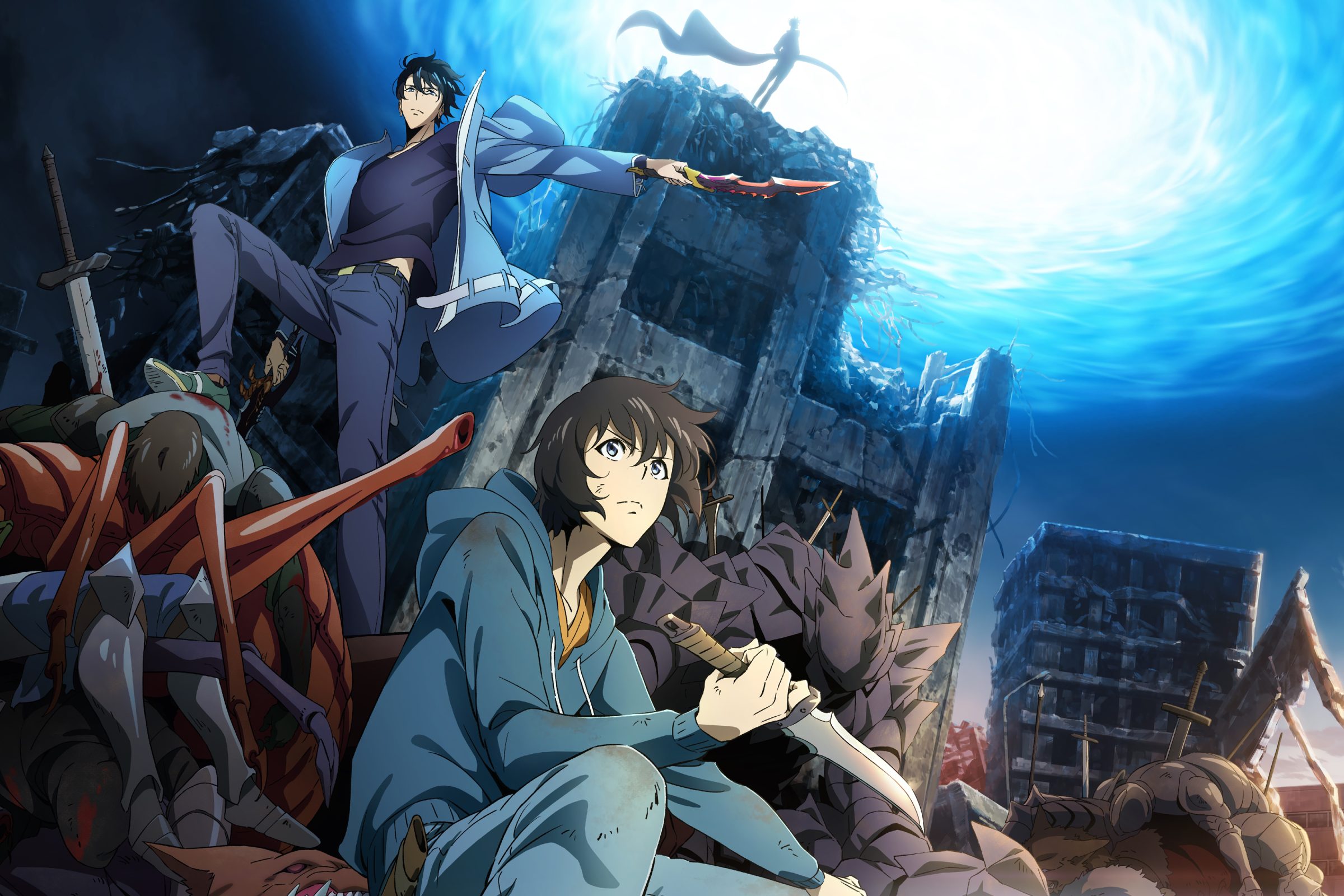
With so many isekai clones pouring into the market, the chance of publishing your isekai is extremely low, irrespective of its quality. A way around this issue is to turn your story into a hybrid and instead of marketing it as an isekai, sell it under the second hybrid genre. So if the story is an action isekai, send it as an action fantasy anime instead of an isekai. That is exactly what was done with Solo Leveling (2024).
Solo Leveling is a super isekai, smashing traditional isekai and reverse isekai into a genre-defining masterpiece. Sung Jinwoo, once the weakest hunter, gains a mysterious system that lets him level up beyond human limits. As dungeons threaten Earth, he rises from obscurity to near godhood. Packed with stylish battles, dark fantasy, and relentless progression, it’s a powerhouse, the new ‘Demon Lord’ of isekai.
😍 My Top 20 Isekai Recommendations
- GATE: Thus, the JSDF Fought There!
- Solo Leveling
- The Eminence in Shadow
- Mushoku Tensei: Jobless Reincarnation
- That Time I Got Reincarnated as a Slime
- The Rising of the Shield Hero
- Re:ZERO: Starting Life in Another World
- Overlord
- Ascendance of a Bookworm
- Saga of Tanya the Evil
- KonoSuba – God’s Blessing on This Wonderful World!
- My Next Life as a Villainess: All Routes Lead to Doom!
- Log Horizon
- Tsukimichi: Moonlit Fantasy
- Kakuriyo: Bed & Breakfast for Spirits
- Reincarnated as a Sword
- The Wrong Way to Use Healing Magic
- Campfire Cooking in Another World with My Absurd Skill
- So I’m a Spider, So What?
- The Weakest Tamer Began a Journey to Pick Up Trash
📜Conclusion: Endless Quest for Wonder
From dusty VHS tapes to the streaming age, my journey with isekai has paralleled anime’s evolution from niche curiosity to global juggernaut. Isekai spoke to something primal in me. A yearning to break free, rebuild, and reimagine. Though the genre has faced criticism and saturation, it remains a vital portal for creativity, escapism, and cultural commentary.
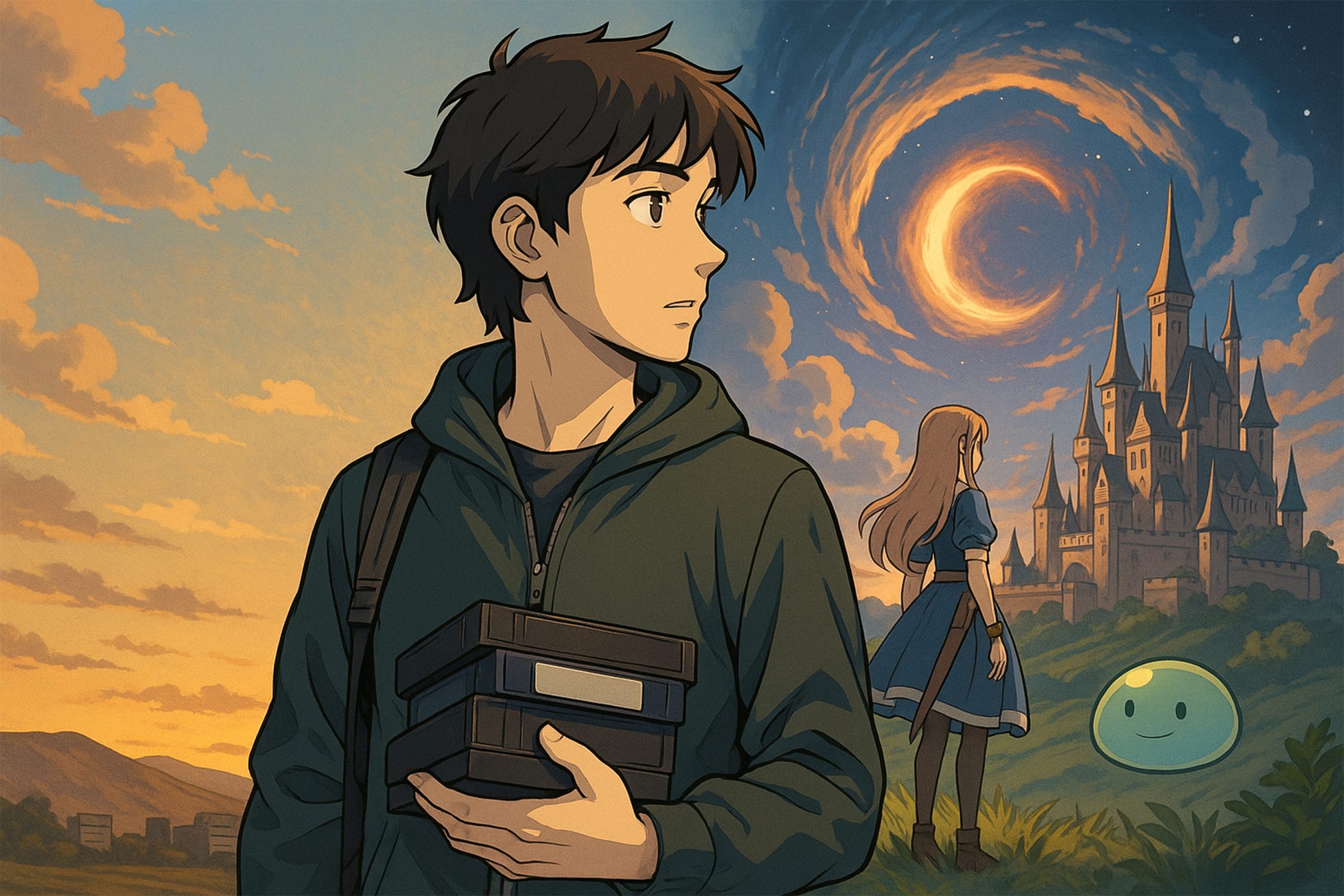
Its best works offer not just fantasy, but reflection: on power, purpose, isolation, and hope. Whether it’s through a slime, a villainess, or a lonely gamer, isekai continues to ask: What if you could start over? And for dreamers like me, that question will never lose its magic. The wonder never ends! It only changes worlds.
📚 References
- Anime-Planet – Anime Release Dates – 2025
- Anime-Planet – Anime List by Type: Isekai – 2025
- Comic Natalie, Editorial Department – “Isekai Museum” life-size statues and other exhibition images released, venue becomes almost a photo spot – 5th June 2021
- Oxford English Dictionary – New Words List: Isekai – 2024
- University of San Francisco, Lu, Curtis – The Darker Sides of the Isekai Genre: an Examination of the Power of Anime and Manga – 2020
🔑 Categories
- Isekai anime
- Best isekai series
- Isekai history
- Isekai genre explained
- What is isekai
- Classic isekai anime
- Isekai anime 2020s
- Isekai evolution
- Isekai tropes
- Anime escapism
- Anime and NEETs
- Hikikomori anime
- Fantasy anime
- Reincarnation anime
- Anime worldbuilding
- Anime nostalgia
- Anime storytelling
- Personal anime journey
- Solo Leveling
- Re: Zero
- Overlord anime
- Mushoku Tensei
- The Eminence in Shadow
- Sword Art Online
- Log Horizon
- KonoSuba
- Saga of Tanya the Evil
- That Time I Got Reincarnated as a Slime
- Rising of the Shield Hero
- Campfire Cooking in Another World
- The Weakest Tamer
- My Next Life as a Villainess
- Reincarnated as a Sword
- So I’m a Spider, So What?
- Aura Battler Dunbine
- The Vision of Escaflowne
- Magic Knight Rayearth
- Fushigi Yugi
- Twelve Kingdoms anime
- Familiar of Zero
- El-Hazard anime
- Kyo Kara Maoh
- GATE anime
- Chuānyuè anime
- Chinese isekai
- Villainess isekai
- Anime parody
- Anime market saturation
- Anime cultural impact
- Isekai Oxford Dictionary