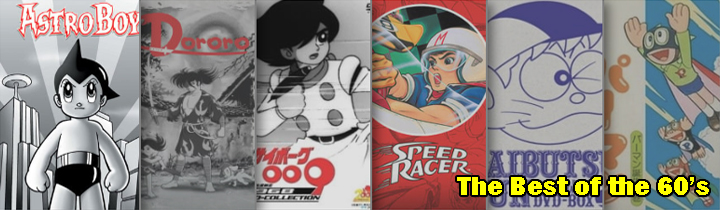





Anime in the 60s: Dawn of a Cultural Phenomenon
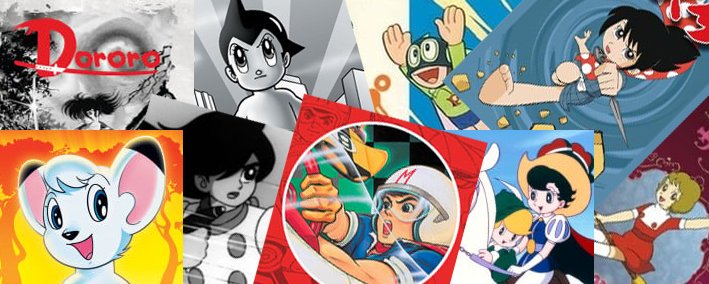
Anime in the 1960s marked the dawn of a cultural phenomenon that would eventually captivate audiences worldwide. This decade laid the groundwork for the Japanese animation industry, blending traditional storytelling with innovative techniques to create a distinct art form. While the term “anime” as we know it today wasn’t widely used until later, the 60s saw the rise of what was then called “TV manga” or “animated cartoons,” reflecting its roots in manga comics and its accessibility through television.
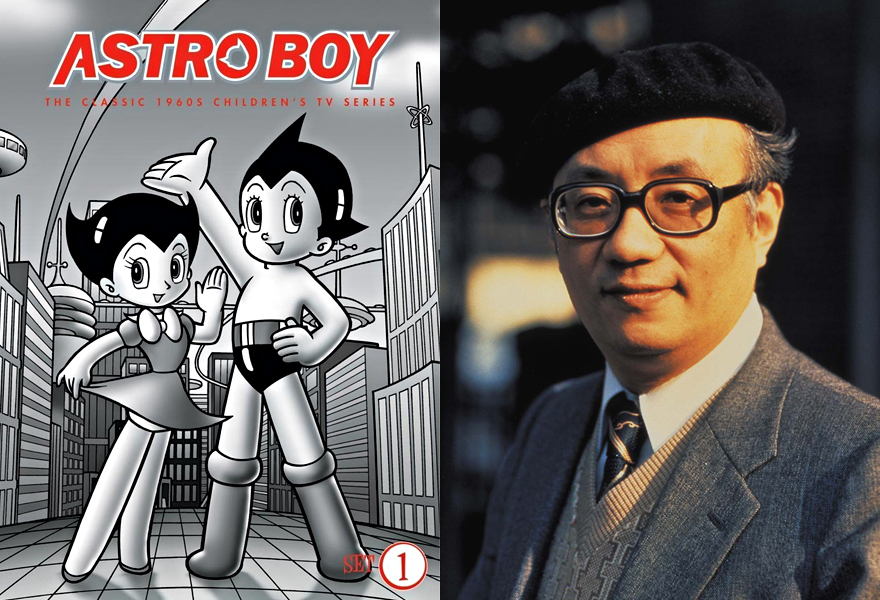
The 1960s anime boom was catalyzed by the release of Astro Boy (Tetsuwan Atom) in 1963, created by Osamu Tezuka, often dubbed the “God of Manga.” This black-and-white series, based on Tezuka’s earlier manga, was Japan’s first serialized animated TV show, airing on Fuji Television. Astro Boy followed the adventures of a robotic boy with superpowers, blending science fiction with emotional depth, a hallmark of Tezuka’s work. Its success wasn’t just domestic; it became one of the first anime exported to the United States, airing on NBC as a dubbed version. This international reach hinted at anime’s potential to transcend cultural borders, even in its nascent stages.
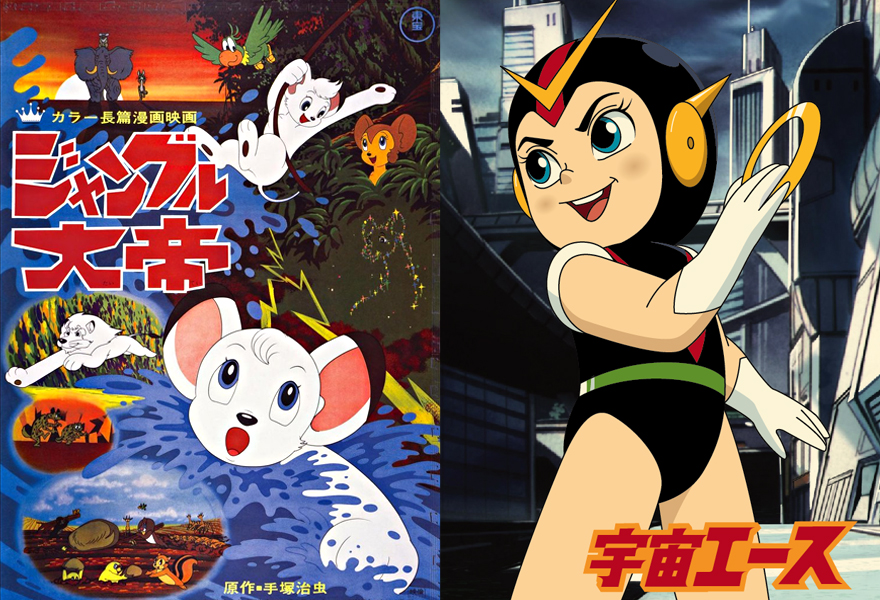
Tezuka’s influence extended beyond Astro Boy. His production company, Mushi Production, churned out other notable works, such as Kimba the White Lion (Janguru Taitei) in 1965, Japan’s first full-color TV anime. Kimba showcased advancements in animation quality and storytelling complexity, following a young lion’s journey to leadership. Though often compared to Disney’s later The Lion King, Kimba reflected a uniquely Japanese sensibility, with themes of harmony and resilience drawn from post-war sentiments. These early works established a template: anime wasn’t just for kids! It could explore profound ideas through fantastical lenses.
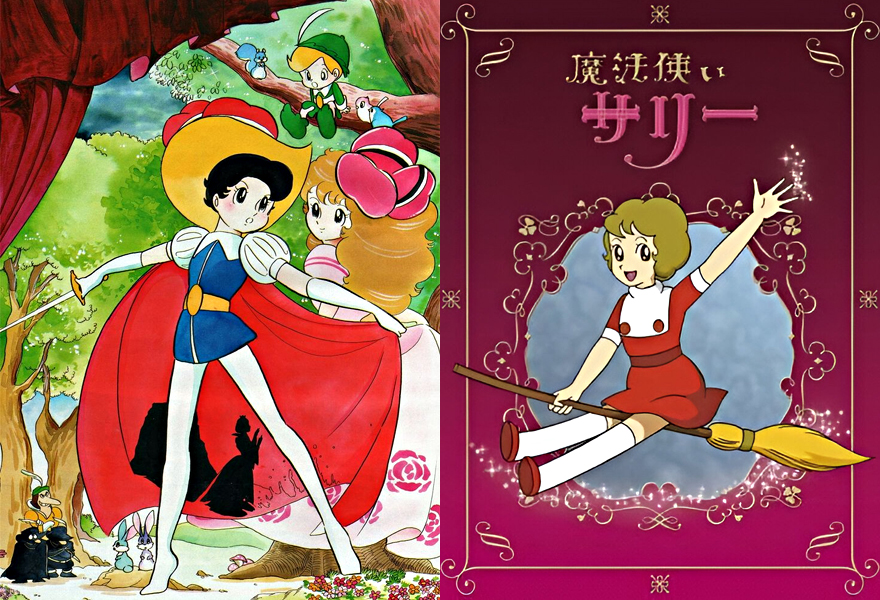
The 60s also saw other studios emerge. Toei Animation, a major player, had already produced Japan’s first feature-length color anime film, Panda and the Magic Serpent (Hakujaden), in 1958. But it solidified its TV presence in the 60s with shows like Sally the Witch (Mahou Tsukai Sally) in 1966. Often considered the precursor to the magical girl genre, Sally targeted young female audiences, expanding anime’s demographic reach. Meanwhile, Tatsunoko Production debuted with Space Ace (Uchuu Ace) in 1965, leaning into sci-fi trends sparked by the Space Race. These diverse offerings reflected a growing industry experimenting with genres and audiences.
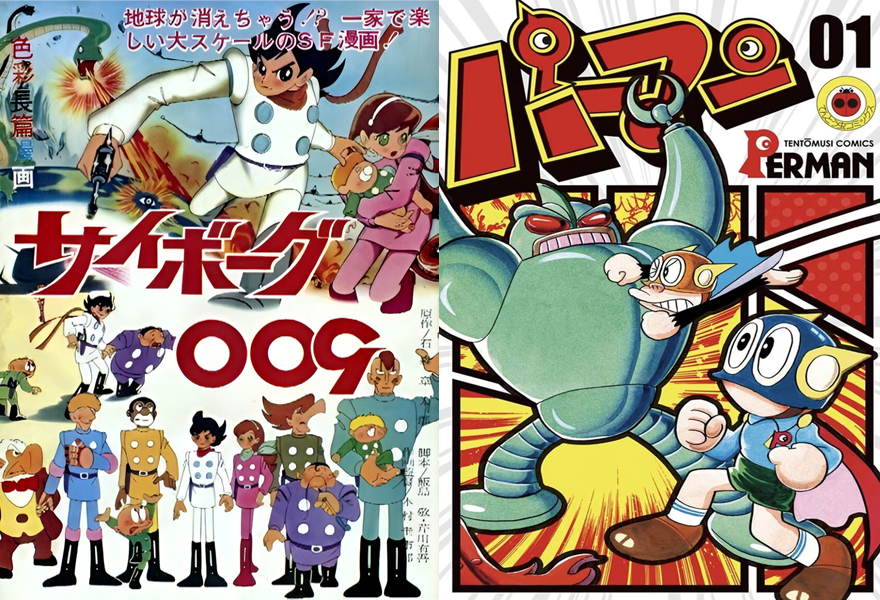
Technologically, 60s anime was limited yet resourceful. Budget constraints meant animators relied on “limited animation” – fewer frames per second than Western counterparts like Disney. Tezuka pioneered this cost-effective approach, compensating with strong character designs and dynamic camera angles. The result was a stylized aesthetic that became anime’s signature, distinct from the fluid realism of American cartoons.
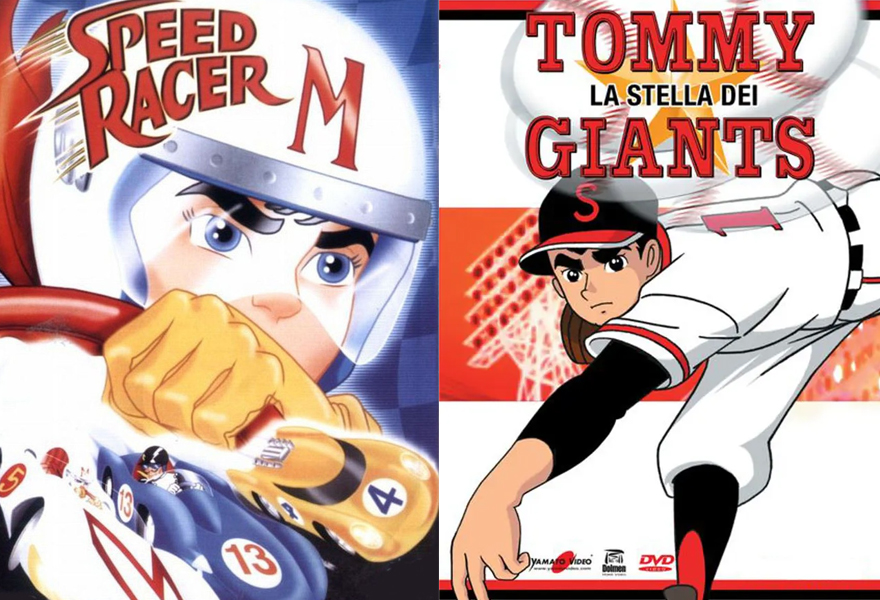
Culturally, 60s anime mirrored Japan’s post-war recovery. Stories often featured themes of hope, technology, and rebuilding, resonating with a nation embracing modernity while grappling with its past. By decade’s end, anime had evolved from a niche experiment to a fixture of Japanese entertainment, setting the stage for the global juggernaut it would become. The 1960s, though rudimentary by today’s standards, were a crucible of creativity, proving that anime could be both a commercial success and an artistic legacy.
References
- Clements, J., & McCarthy, H. (2015). The anime encyclopedia. Stone Bridge Press.
- Denison, R. (2015). Anime: A history. Bloomsbury Publishing.
- McCarthy, H. (2010). Osamu Tezuka: The god of manga. Abrams ComicArts.
- Tezuka, O. (1963). Astro Boy (Tetsuwan Atom) [Television series]. Mushi Production.
- Tezuka, O. (1965). Kimba the White Lion (Jungle Taitei) [Television series]. Mushi Production.
- Toei Animation. (1966). Sally the Witch (Mahoutsukai Sally) [Television series].
- Tatsunoko Production. (1965). Space Ace (Uchuu Ace) [Television series].